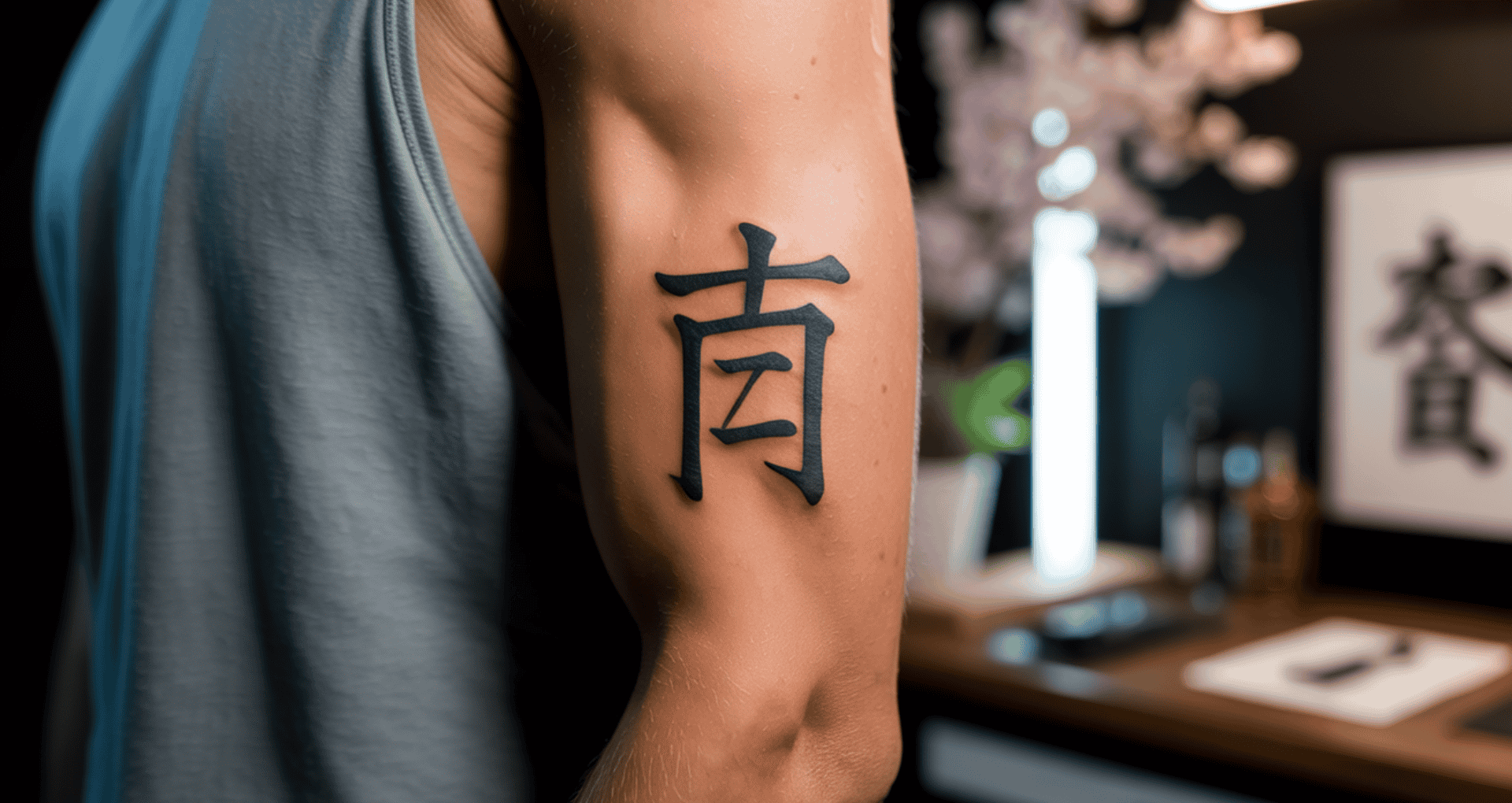
Did you know that over 70% of people with Japanese tattoos choose symbols that tell their story? Many fans prefer the complex kanji. But, katakana-tattoo-meaning-designs offer a simple yet meaningful choice.
A katakana tattoo has a sharp, modern look. It’s known for its clean lines and precise shapes. This script is great for writing foreign words and names, blending old and new styles.
Choosing the right tattoo is important. It should honour the culture and show who you are. Learning about this script helps you make a strong foundation for your tattoo. A katakana tattoo is a lasting way to express yourself.
Key Takeaways
- Katakana offers a clean, modern aesthetic compared to traditional kanji.
- The script is ideal for transliterating names and foreign concepts into Japanese.
- Cultural integrity is vital when selecting your specific design.
- Minimalist lines make these tattoos versatile for any placement on the body.
- Researching the correct characters ensures your ink carries the intended meaning.
Understanding the Cultural Significance of Katakana Tattoo Meaning Designs
Before getting a tattoo, it’s important to understand the cultural meaning of Japanese characters. Katakana-tattoo-meaning-designs are popular for their clean, modern look. They are deeply rooted in history. Your tattoo can be a personal statement that honours a complex tradition.
The Role of Katakana in Japanese Script
Katakana is a key part of the Japanese writing system. It acts as a phonetic alphabet. Unlike other scripts, katakana is mainly for foreign words, names, and scientific terms.
It’s a favourite for translating Western names or modern concepts into Japanese. Katakana offers a sharp, angular look. It’s perfect for capturing word sounds while keeping a minimalist style.
Choosing katakana means picking a style that’s both modern and true to Japanese culture. It reflects how modern Japanese speakers interact with the world.
Kanji vs Katakana Tattoo: Choosing the Right Style
Choosing between kanji and katakana is a big decision. Kanji tattoo meanings often relate to deep concepts or nature. Katakana focuses on phonetic representation.
Many people mix these styles for a balanced look. You might combine a bold kanji symbol with katakana for a personal touch. The table below shows the main differences to help you decide:
| Feature | Kanji | Katakana |
|---|---|---|
| Origin | Chinese characters | Simplified phonetic script |
| Primary Use | Representing ideas/objects | Foreign words/names |
| Visual Style | Complex and detailed | Angular and minimalist |
| Symbolism | Deeply philosophical | Direct and phonetic |
The Aesthetic Appeal of Japanese Script Tattoos
Exploring Japanese script tattoos shows a sophisticated way to express yourself through ink. These designs mix visual beauty with deep personal meaning. They appeal to many today, offering endless ways to express yourself.
Why Minimalist Japanese Tattoos Are Trending
The minimalist Japanese tattoo is popular for its clean, simple lines. It focuses on the beauty of characters without clutter. This style is great for those who want a subtle yet impactful tattoo.
Many love this style for its modern appeal. A minimalist Japanese tattoo uses thin needles for a crisp look that ages well. It’s perfect for beginners or those seeking a refined look.
The Art of Japanese Calligraphy Tattoos
Japanese calligraphy tattoos need a steady hand and love for traditional brushwork. They capture the energy and spirit of each stroke. This style adds a dynamic, organic feel to your tattoos.
The beauty of Japanese calligraphy tattoos is in their varied line weights and ink flow. Artists skilled in this craft turn brush pressure into a lasting artistic statement. Your tattoo will stand out as a true masterpiece.
| Style | Visual Focus | Best For |
|---|---|---|
| Minimalist | Clean, thin lines | Subtle placement |
| Calligraphy | Brush-like strokes | Artistic expression |
| Traditional | Bold, uniform weight | Classic visibility |
Popular Themes for Katakana Symbols Tattoo Designs

Creating a katakana symbol tattoo is a mix of phonetic precision and artistic flair. You can turn simple characters into a story that shows your personality. Many people like combining sharp, angular letters with softer elements for a striking contrast.
Nature-Inspired Motifs and Japanese Lettering
Nature themes are timeless for your katakana tattoo. Adding cherry blossoms, waves, or bamboo can bring a traditional Japanese feel. These shapes make the lettering feel more fluid and natural.
Think about where to place your design. A vertical line of text next to a branch or wave can move beautifully. This harmonious balance makes the lettering part of the artwork, not just on it.
Integrating Lotus Tattoos with Katakana Script
The lotus symbolises purity and rebirth, making it a favourite for lotus tattoos. Combining it with Japanese script creates a stunning and meaningful piece. The flower’s soft petals contrast beautifully with the katakana’s clean lines.
You can have the script around the lotus stem or above the bloom. This shows the delicate beauty of the flower and keeps the text clear. Whether simple or detailed, this mix is a sophisticated way to share your values.
| Design Element | Visual Impact | Best Placement |
|---|---|---|
| Katakana Tattoo | Sharp and Modern | Forearm or Ribs |
| Lotus Tattoos | Soft and Organic | Back or Shoulder |
| Katakana Symbols Tattoo | Balanced and Unique | Wrist or Ankle |
Personalising Your Japanese Name Tattoo

Turning your name into a unique Japanese script is a creative way to honour your identity. Choosing a Japanese name tattoo means picking a phonetic version of your voice. This process needs careful thought to match your personal story.
Transliterating Western Names into Katakana
Katakana is used in Japan for foreign words and names. Since Japanese is phonetic, your name is broken down into sounds, not translated. Precision is key in matching these sounds to characters.
For instance, “Michael” is represented by “Ma-i-ke-ru” based on its sound, not its Hebrew origin. Working with a professional who knows these details is crucial for a katakana tattoo that looks right.
Ensuring Accuracy in Katakana Translation Tattoos
Getting your name right is crucial for a katakana translation tattoo. A small mistake can change a character’s sound, making it not your name. Always check your tattoo with a native speaker or a trusted source before getting it.
“The beauty of a script tattoo lies in its clarity and the precision of its execution. When you wear a name on your skin, accuracy is the ultimate form of respect for the culture and the language.”
Here’s a guide to help plan your design:
| English Sound | Katakana Character | Usage Example |
|---|---|---|
| Ka | カ | Kate |
| Ri | リ | Eric |
| To | ト | Tom |
| Na | ナ | Nancy |
Researching your Japanese name tattoo helps avoid common mistakes. A well-done katakana translation tattoo shows your dedication to quality and cultural respect.
Placement Ideas for Unique Japanese Tattoos

Choosing the right spot for your tattoo changes how people see your script. Your body is like a canvas, and the flow of Japanese characters guides where they look best. Whether you want something hidden or out in the open, picking a spot is a critical design decision.
Small and Subtle Placements for Wrist and Ankle
For a minimalist look, the wrist or ankle is great for a katakana tattoo. These spots are ideal for short phrases or single words that mean a lot to you. They offer a clean, refined look that’s easy to miss.
Having your tattoo here means you can see it all day. It’s a quiet reminder of the meaning behind your characters. Many find that these spots offer a sophisticated balance between showing off and keeping it professional.
Bold Statements on Arms and Back
For those who want to make a statement, arms and back are perfect. They have room for detailed designs that smaller spots can’t handle. A katakana tattoo on your shoulder or forearm makes a big impact.
These areas are great for longer quotes or designs with extra details. They use your body’s shape to create a moving piece of art. Here’s a comparison to help choose the right spot:
| Placement Area | Visibility Level | Design Complexity |
|---|---|---|
| Wrist | High (Personal) | Minimalist |
| Ankle | Moderate | Simple/Refined |
| Forearm | High (Public) | Moderate to High |
| Back | Low (Controlled) | High/Detailed |
Symbolic Tattoo Ideas Beyond the Alphabet

Symbolic tattoos become more meaningful when you go beyond simple letters. Adding deeper cultural stories makes your tattoo tell a story, not just show a word. This way, your design feels both timeless and uniquely yours.
Combining Katakana with Traditional Japanese Body Art
Mixing modern script with traditional Japanese body art can make your tattoo stand out. Many people pair katakana with classic designs like koi fish, dragons, or cherry blossoms. These elements, often seen in Irezumi, add a bold background to your text.
Creating a balance between negative space and line weight is key. Placing your script near water or clouds makes it part of a bigger scene. This way, your Japanese script tattoos blend seamlessly with the artwork.
The Intersection of Modern Design and Ancient Script
Merging old traditions with new styles is what makes a tattoo sophisticated. You might use a minimalist frame around your katakana for a modern look. This mix shows off the beauty of ancient characters while keeping the design fresh.
Think about how different design elements can change your tattoo:
| Design Element | Traditional Style | Modern Approach |
|---|---|---|
| Script Placement | Hidden in background | Central focal point |
| Line Weight | Bold and thick | Fine and precise |
| Color Palette | Rich, saturated hues | Monochrome or subtle |
| Cultural Motif | Mythological creatures | Abstract geometry |
The best symbolic tattoo ideas reflect your personal journey. By combining traditional Japanese body art with clear Japanese script tattoos, you create a piece that respects tradition while showing your creativity.
Technical Considerations for Asian Lettering Tattoos
Getting the technical details right is key to a lasting tattoo. An asian lettering tattoo involves intricate symbols that need precision. A small mistake can blur over time as your skin changes.
Selecting the Right Font and Line Weight
Choosing a font is more than just picking a style. It’s about the structural integrity of the tattoo. Thinner lines might look good at first, but can spread as the ink settles. For a Japanese script tattoo, a slightly thicker line helps keep characters distinct.
Talk to your artist about the spacing between strokes. The right amount of negative space keeps each character clear. If the lines are too close, the design can lose its shape over time.
| Line Weight | Best Use Case | Aging Expectation |
|---|---|---|
| Fine Line | Small, delicate placements | Requires frequent touch-ups |
| Medium Weight | Standard script designs | Excellent long-term clarity |
| Bold Weight | Large, statement pieces | High durability and contrast |
Working with Your Artist for Custom Script
Collaboration is crucial for a great Japanese script tattoo. Bring references to your meeting, but listen to your artist’s advice. They know how to make the script fit your body.
Make sure your artist is skilled in asian lettering tattoo styles. They should know how the ink will look on your skin. Trusting their expertise ensures your tattoo stays beautiful and meaningful.
Common Pitfalls to Avoid with Japanese Letter Tattoos
Choosing a Japanese letter tattoo is a big decision. It’s a permanent choice that shows your style and language preference. Do your homework to avoid any regrets later.
The Importance of Proper Translation
Don’t rely on online translation tools. They often miss the mark on Japanese language nuances. Always verify your translation with someone who knows the language well.
A small mistake in a tattoo can change its meaning. Working with a professional who knows Japanese can prevent this. This step is crucial for meaningful ink designs that show who you are.
Cultural Respect and Meaningful Ink Designs
When getting a tattoo, respect the culture behind it. See the script as a language, not just a skin decoration. This adds depth to your tattoo.
Don’t just see it as a trend. Aim for meaningful ink designs that celebrate Japanese culture. This way, your Japanese letter tattoo will be a beautiful and respectful piece for years.
Caring for Your New Katakana Alphabet Tattoo
After you leave the studio, you’re fully responsible for your new katakana alphabet tattoo. Proper care is key to ensuring it heals well and stays clear. By sticking to a routine, you protect your tattoo and keep it looking great for years.
Immediate Aftercare for Fine Line Script
For the first few days, handle your fine line tattoo gently. Clean it with fragrance-free, antibacterial soap and lukewarm water. Avoid scrubbing the skin to prevent damage to the delicate lines.
Pat the area dry with a clean paper towel, not a cloth towel, to avoid bacteria. Apply a thin layer of recommended ointment to keep it moist without clogging pores. It’s important to keep the area breathable to avoid scabbing and ink loss.
Long-Term Maintenance for Sharp Lettering
Your katakana alphabet tattoo needs care even after it heals. The biggest danger is ultraviolet radiation from the sun. Always use high-SPF sunscreen when your tattoo is in sunlight to prevent fading.
Keeping your tattoo hydrated is also crucial. Drink lots of water and use unscented lotion daily. If you notice fading or unevenness, get a professional touch-up to restore your tattoo’s crispness.
🔥 Find Your Perfect Katakana Tattoo Design Today!

Stop guessing meanings and risking a wrong tattoo…
👉 Discover 30,000+ professional tattoo designs in one place!
✅ Why Tattoo Lovers Are Joining This Platform:
- ✔️ Access 30,000+ unique tattoo designs from top artists worldwide
- ✔️ Explore Katakana, Kanji & Japanese tattoo lettering designs easily
- ✔️ Choose from 60+ tattoo categories (perfect for every style)
- ✔️ Get 165+ professional tattoo fonts & lettering styles
- ✔️ Watch tattoo videos & tutorials to understand designs better
- ✔️ Save your favorite designs & plan your next tattoo easily
🚀 👉 Click Here to Explore 30,000+ Tattoo Designs Now
Find a design you’ll NEVER regret!
💡 Don’t risk a permanent mistake — choose your perfect Katakana tattoo with confidence!
Conclusion
Choosing a Japanese script tattoo is a unique journey. It blends artistic vision with deep linguistic roots. You can turn simple characters into a lasting part of your identity.
Think about how your design fits with your body’s placement. A well-planned tattoo is a source of pride for years.
Work with skilled artists who understand Japanese writing systems. Their knowledge helps bring your ideas to life in high-quality body art.
Be thorough in planning to ensure every detail is right. Your dedication to accuracy and cultural respect makes your tattoo a masterpiece.
Move forward with confidence as you plan your next tattoo visit. Your path to the perfect tattoo begins with informed choices and a clear vision.
FAQ
What is the main difference between a kanji vs katakana tattoo?
Kanji tattoos represent whole ideas or objects. On the other hand, katakana tattoos use a phonetic script. Katakana is often used for foreign names or technical terms. It gives a modern look, unlike traditional kanji.
How can I ensure my Japanese name tattoo is translated accurately?
For a correct katakana tattoo, focus on the sounds of your name, not its English spelling. Japanese is a syllabic language. So, get help from a native speaker or a service like Tattoodo or KanjiZone to ensure the correct pronunciation.
Why are Japanese calligraphy tattoos considered more artistic than standard digital fonts?
Japanese calligraphy tattoos, or *Shodo*, add a unique touch. They bring fluid motion and organic energy. This style turns a simple letter tattoo into a piece of traditional art, with depth that digital fonts can’t match.
Can I combine a katakana symbol tattoo with other visual elements?
Yes, you can mix katakana tattoos with symbols like cherry blossoms or dragons. This blend creates unique tattoos that tell your story while respecting Japanese heritage.
What are the most common mistakes to avoid with an asian lettering tattoo?
Avoid using tools like Google Translate, as they often miss the nuance. Make sure the characters are correctly oriented, and the font style fits the message. This way, your tattoo will be a source of pride, not regret.
Is a katakana tattoo suitable for small, subtle placements?
Yes, katakana tattoos are great for small places. Their simple, geometric design works well in small sizes. They’re perfect for a minimalist look on the wrist or behind the ear.