Thinking about how to remove a tattoo without expensive laser sessions or harsh chemicals? You’re not alone. Millions of people every year search for safe, affordable, and natural ways to fade or completely remove a tattoo at home — and the good news is, there are methods worth exploring.
Whether your ink has lost its meaning, looks faded, or you simply want a fresh start, this guide walks you through the most effective natural tattoo removal methods you can try from the comfort of your own home. From time-tested home remedies to dermatologist-discussed techniques, we’ve got everything covered — so you can make an informed, safe decision before spending thousands on professional treatments.
Keep reading to discover what actually works, what to avoid, and how to get started today.
Key Takeaways
- Regret and embarrassment drive many people to seek ink removal.
- Laser removal is often safer and more effective than unverified DIY approaches.
- Home methods can carry real risks, including scarring and infection.
- Weigh cost savings against long-term skin health before choosing a path.
- This guide will help you compare methods and make an informed choice.
Understanding How Tattoo Ink Settles Under Your Skin
Ink implanted beneath your skin does not sit on the surface; it settles in a deep, stable pocket. That placement is the main reason many fading attempts fail. Your body treats the pigment as foreign, but the particles sit where cells do not shed quickly.
The Dermal Layer
Tattoos are placed into the dermal layer of your skin, a deeper layer than the epidermis. This stable layer prevents simple washing or light abrasion from reaching the ink. The dermis holds pigment for years because its cells renew slowly.

Breaking Down Pigment
To achieve meaningful tattoo removal, you must break ink particles down so the body can flush them through the lymphatic system. Most DIY remedies—like lemon juice or salt scrubs—only affect the top layers of skin. They rarely reach the deeper layer of skin where tattoo ink sits.
Key points:
- The permanence of ink comes from placement in the dermis.
- Your body recognises ink as foreign, but particles are often too large for immune removal.
- Surface treatments mainly alter the epidermis, not the deep pigment.
The Emotional Reality of Living with Unwanted Ink
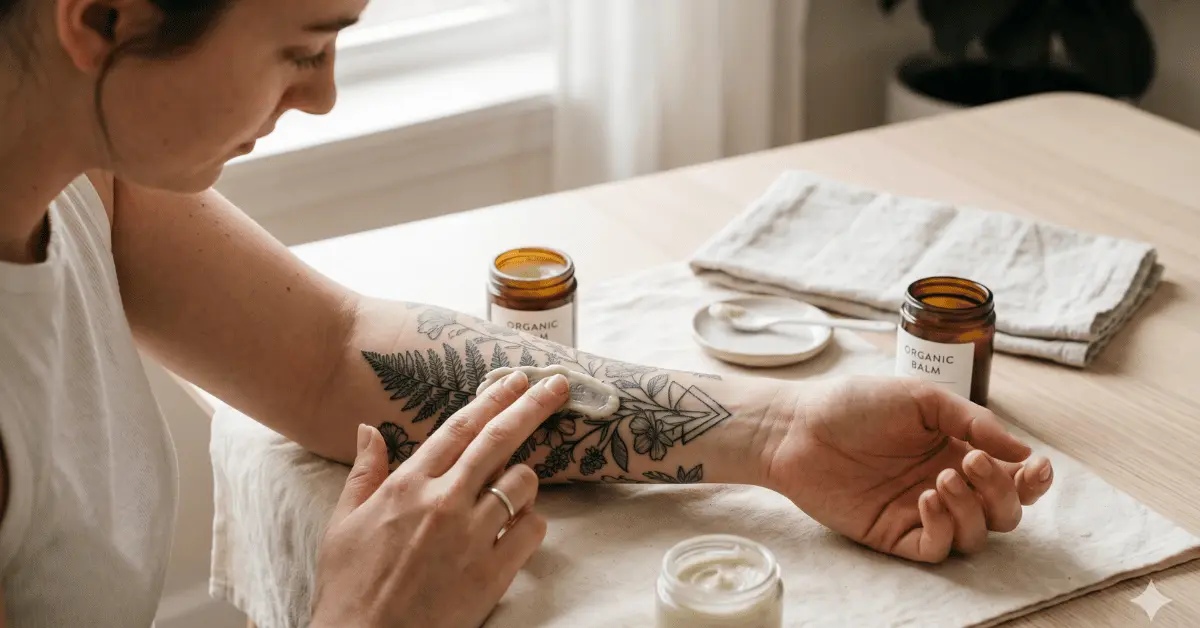
Living with ink you no longer identify with can weigh on you every day. Regret and embarrassment often follow when a design no longer matches your identity.
You may crave clear skin and feel a persistent urge for change. That desire pushes many people toward tattoo removal options as a way to reclaim confidence.
The emotional toll can affect work, relationships, and how you present yourself. Feeling self-conscious is normal, especially when tattoos sit where they are hard to hide.
Recognising the feelings matters. Admitting you want a different look is the first step toward choices that restore comfort with your skin.
- Regret and embarrassment can be intense and constant.
- Many people seek tattoo removal to regain confidence.
- Psychological burden can drive persistent searches for effective removal options.
You are not alone in this. Thousands pursue professional or home-centred removal paths to move past past choices and feel whole again.
How to Remove a Tattoo at Home Naturally and the Limitations Involved
Before you try home fading techniques, understand what those methods can and cannot achieve.
Step-by-Step Process Overview
Step 1: Clean the area gently with water and mild soap. Dry with a clean towel.
Step 2: Apply aloe vera or lemon juice sparingly. These may soothe skin but rarely erase deep pigment.
Step 3: Mix salt and water into a coarse scrub. Use short sessions and light pressure to encourage exfoliation.
Step 4: Monitor for redness, swelling, or infection. Stop immediately if irritation grows.

Realistic Expectations
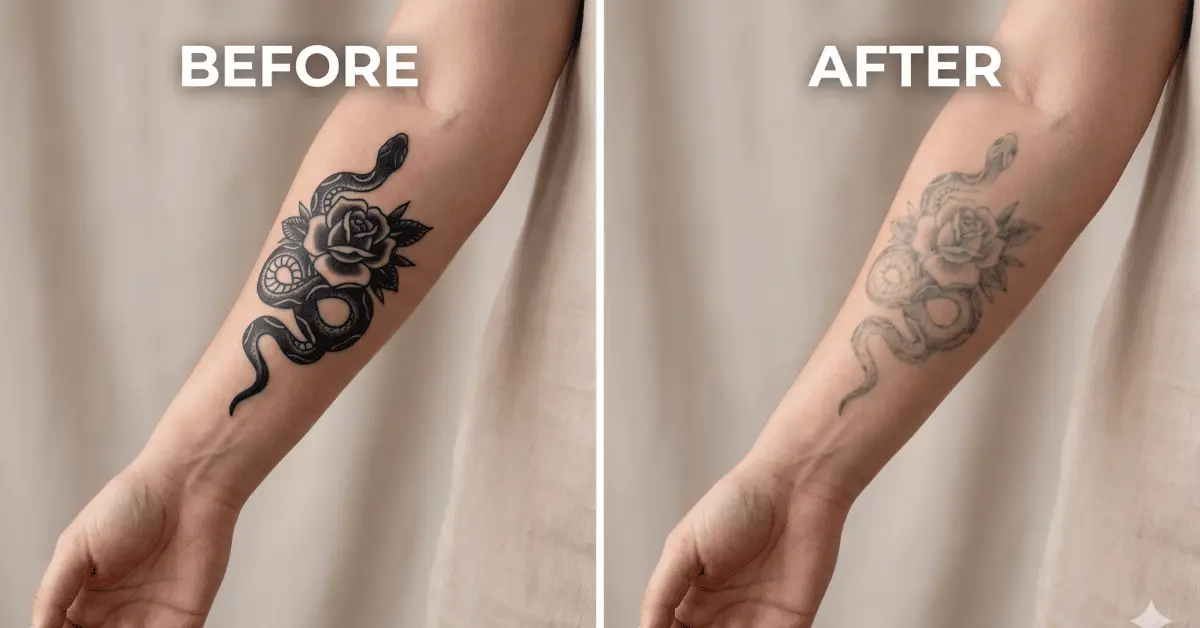
Natural removal methods aim to fade ink over time by affecting the top layers and encouraging the body to clear smaller particles.
Expect partial fading rather than full loss of pigment. Size and ink depth matter. Smaller marks fade faster than large designs.
Note: Surgical excision is usually for small tattoos because of skin tension and scarring risk, per Mayo Clinic.
| Method | Effect on Ink | Main Risk |
|---|---|---|
| Salt scrub | Surface fading | Irritation, scarring |
| Lemon or juice | Minor lightening | Drying, burns |
| Aloe vera | Soothing, slight fade | Allergic reaction |
| Removal creams | Variable results | Irritation, infection |
Factors That Influence Your Fading Results
Not all designs respond the same way; several variables shape fading outcomes.
Size and age matter. Larger pieces need more time and steady effort for visible change. Older ink often fades a bit on its own and may respond faster to treatments.
Skin type and ink depth affect success. Sensitive skin needs gentler care. Ink placed deeper in the dermis is harder for any method to reach.
Colour and composition count. Dark black pigment often lightens more easily than green, blue, or yellow tones. Ingredients in some creams or lemon solutions have a limited impact on bright pigments.
Lifestyle and consistency drive results. Diet, hydration, and overall health shape how your body clears pigment. Sticking with a regular plan yields the best chance of steady fading.
| Factor | Impact | What this means |
|---|---|---|
| Size | High | Larger area needs longer treatment time |
| Skin type | Medium | Sensitive skin needs caution; may limit options |
| Ink color & depth | High | Dark black easier; deep or bright colors resist fading |
| Professional laser | High | A larger area needs a longer treatment time |
Common Mistakes and Unsafe Methods to Avoid
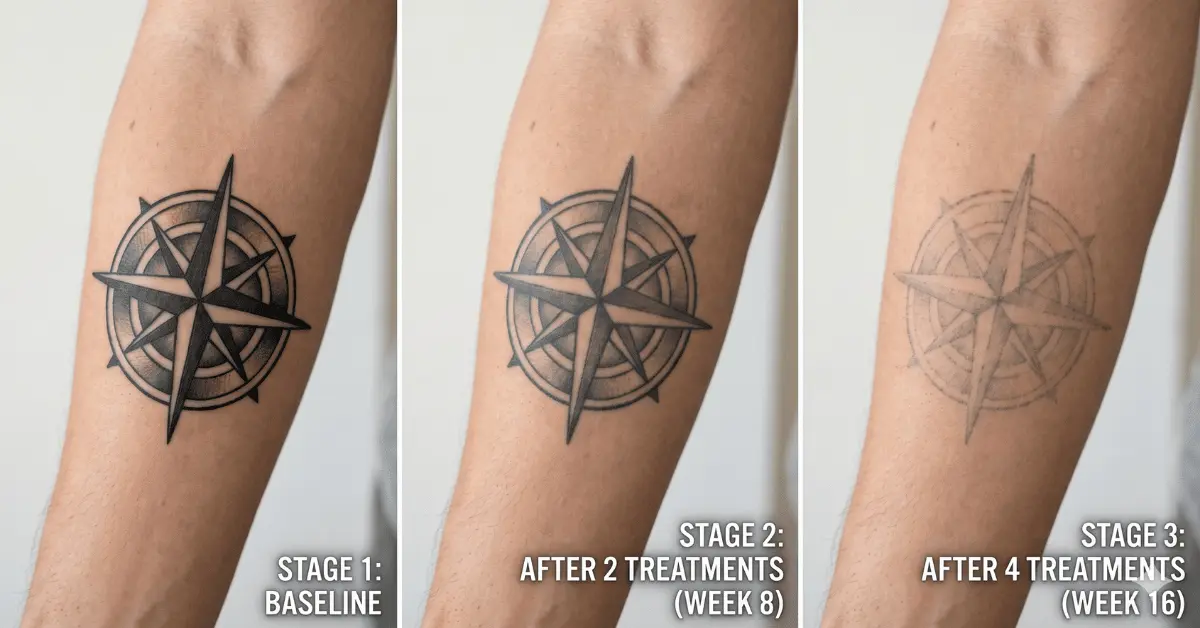
Many DIY fixes promise fast fading, but a few common choices can cause lasting harm.
Salabrasion and abrasive scrubs damage the epidermis. Using salt or harsh scrubs can cause severe pain, infection, and permanent scarring. Never sand or rub skin aggressively to mimic professional dermabrasion.
Citrus, aloe, and miracle creams often fail to reach the dermis. People believe lemon juice or aloe vera will fade tattoo ink, yet scientific evidence is lacking. Many over-the-counter tattoo removal creams irritate the skin without meaningful results.
At‑home lasers and chemical products carry a high risk. Consumer devices lack clinical power and can burn skin. Harsh chemicals or unverified products may cause wounds and poor healing.
Risks of DIY procedures
- Avoid harsh chemicals or salt-based salabrasion; scarring risk is high.
- Stop any treatment if you see pus, spreading redness, or fever; seek medical help.
- Recognise that safe, effective removal usually means professional laser treatment rather than risky home experiments.
Comparing Natural Methods Against Professional Laser Removal
When you compare DIY fading strategies with clinic-grade lasers, the differences in safety and results are stark.
Professional laser removal uses high-intensity light to break ink particles into tiny fragments that your body can clear. Systems like PicoSure at Ethos Spa can target any colour on the skin and are considered a gold standard.
Natural approaches and creams cost less upfront and often hurt less during treatment. Yet they rarely match the results of laser sessions. Many over-the-counter products provide limited fading and carry infection or scarring risks when misused.
- Laser: higher cost (avg. $463), stronger results, controlled clinical environment, lower long-term scarring risk.
- Natural creams and scrubs: lower cost, variable results, greater chance of irritation and incomplete fading.
- Surgical excision: cost $150–$350 for small areas, most invasive, often leaves permanent scarring and has a longer healing time.
| Option | Pain | Risk |
|---|---|---|
| Laser treatment | Moderate | Low when done professionally |
| Creams / DIY | Low | Moderate–high (irritation, poor results) |
| Surgery | High | High (scarring, texture changes) |
Bottom line: If your priority is reliable removal and safer healing, professional laser treatment is the recommended option. If cost or pain is your main concern, weigh those savings against the likely results and risks.
🚫 Stop Overpaying for Painful Laser Treatments

Why spend $200–$500 per session (up to $2000 total) on painful laser removal…
When there’s a natural, at-home alternative?
✅ Discover the Smarter Way to Remove Tattoos Naturally
👉 The Laserless Tattoo Removal Guide shows you how to fade and remove unwanted tattoos without pain, surgery, or expensive clinic visits
💡 Here’s What You’ll Get:
- 💸 Save Thousands vs Laser Treatments
- 🏠 Remove Tattoos at Home — No Clinic Needed
- 🌿 All-Natural Ingredients That Help Break Down Ink
- ⚡ Step-by-Step System for Faster Visible Results
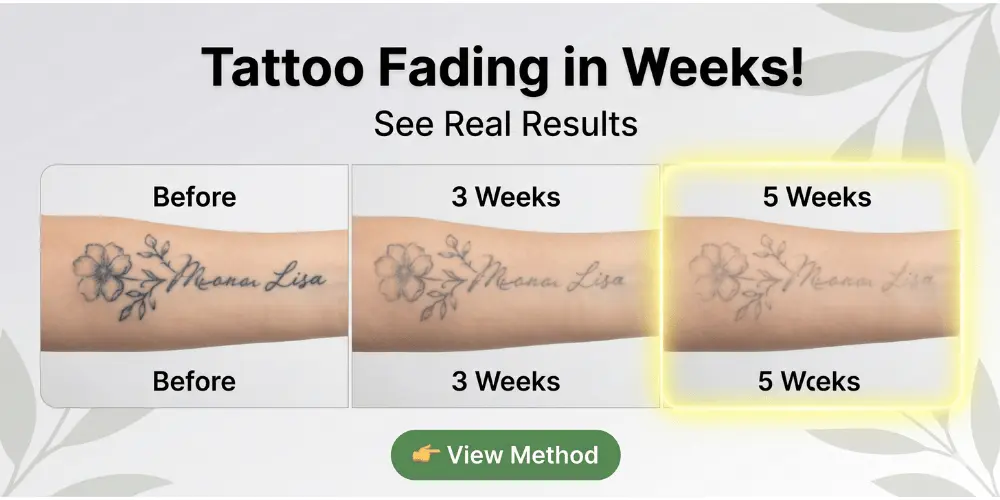
- 📉 Real Results in Weeks (Based on User Experiences)
- 🛡️ 60-Day Money-Back Guarantee — Zero Risk
- 🎁 FREE Bonuses Worth $200+ Included
🚀 Ready to Finally Get Rid of Your Tattoo?
👉 Click here to access the Laserless Tattoo Removal Guide now (Limited Time Discount)
💡 No pain. No clinics. Just a smarter, natural way to clear your skin.
Conclusion
Reclaiming clear skin depends on patience, realistic goals, and care for long‑term healing.
Fading a tattoo is slow. Home methods like lemon juice, salt scrubs, or removal creams may seem tempting, but they rarely affect deep ink particles and can raise the risk of scarring or infection.
For consistent, reliable results, professional laser treatment remains the safest option. If you remain committed to natural fading, follow a structured guide‑based plan and consult a dermatologist first.
Choose the path that protects your skin and peace of mind. With the right steps and expert advice, you can reach better results while minimizing risks and preserving healing.
FAQ
Can you fade ink with lemon juice, salt scrubs, or aloe vera?
You can try mild fading with citric solutions, salt exfoliation, or aloe vera, but results are limited. These methods only affect surface pigment and dead skin, so they lighten a tattoo slightly rather than eliminate ink particles lodged in the dermis. Expect slow, uneven fading and a risk of irritation or scarring if you scrub too hard or overuse acidic substances.
Are over‑the‑counter creams effective for breaking down pigment?
Most topical creams marketed for pigment reduction work on skin tone and surface layers, not tattoo ink deep in the dermal layer. They may improve appearance slightly by promoting exfoliation and skin renewal, but they won’t reliably remove tattoo ink. Relying on creams can delay proper treatment and increase scarring risk if you later opt for laser removal.
What safety risks come with DIY tattoo fading attempts?
DIY approaches can cause burns, infections, scarring, and keloid formation. Using harsh chemicals, aggressive sanding, or homemade acid mixes damages skin barriers and invites bacteria. If you notice severe redness, pus, persistent pain, or fever, seek medical help immediately.
How long will natural fading methods take to show results?
Fading with natural or at‑home techniques is slow. You may see minor lightening over weeks or months, depending on tattoo size, ink depth, and skin type. Significant changes often don’t occur, so set realistic timelines and monitor for adverse skin reactions.
Which tattoo characteristics make fading more likely?
Smaller tattoos, faded or single-colour ink (especially red or green), shallow application, and locations with thinner skin tend to respond better to nonprofessional fading. Older tattoos usually fade more easily than fresh, deeply saturated work.
When should you choose professional laser removal instead of DIY methods?
If you want reliable, measurable ink reduction and lower long‑term scarring risk, consult a board‑certified dermatologist or licensed laser clinic. Laser targets ink particles in the dermis and offers predictable sessions. Choose professional care for large, multicoloured, or important cosmetic areas.
Will attempting home removal affect later laser treatment?
Damaging the skin with acids or abrasive techniques can complicate future laser work by creating uneven texture or scar tissue, which reduces laser efficacy and increases complication risk. If you plan laser removal, avoid aggressive DIY interventions and get a professional consultation first.
How should you care for your skin during at‑home fading attempts?
Keep the area clean, use fragrance‑free moisturiser, protect it from sun exposure with SPF, and avoid picking or harsh exfoliation. If using mild topical agents, test a small patch first. Stop immediately if you see excessive redness, blistering, or signs of infection.
Can natural remedies remove ink particles from the dermal layer?
No reliable natural remedy removes ink particles embedded in the dermis. Pigment sits in skin layers that topical or household treatments cannot safely reach. Professional options like Q‑switched or picosecond lasers remain the only clinically proven methods to break down and clear dermal ink.
Are there long‑term skin changes from nonprofessional removal attempts?
Yes. Chronic irritation, hypopigmentation, hyperpigmentation, and permanent scarring can result from repeated at‑home treatments. These changes may be harder to correct than the original tattoo and can require medical procedures to improve appearance.