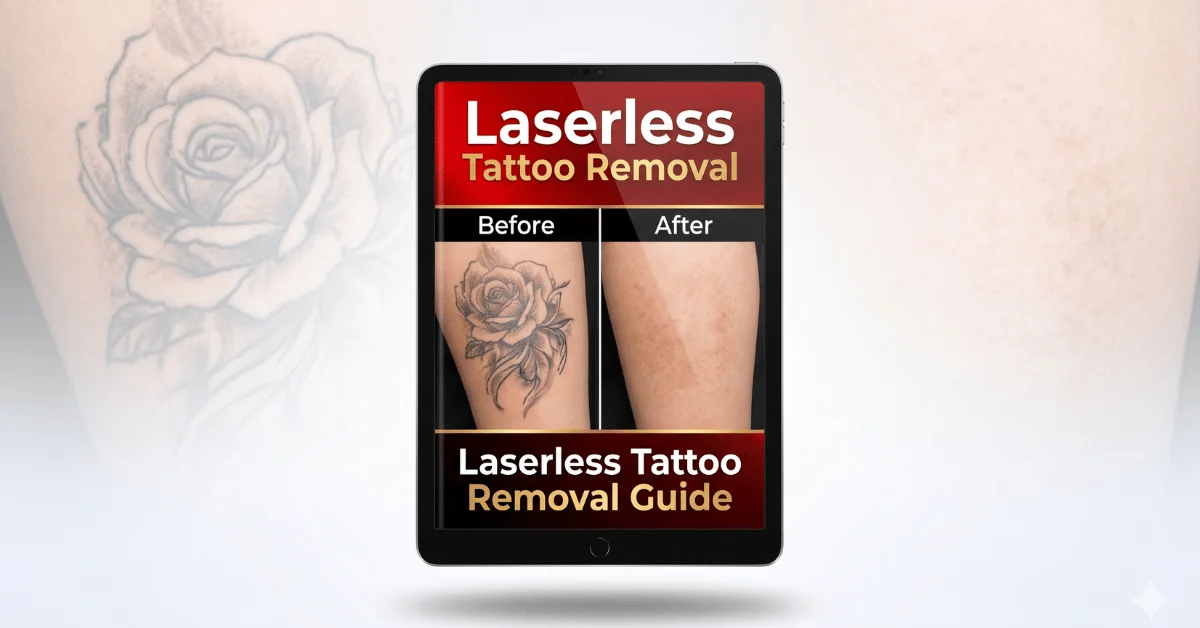
Thinking about removing your tattoo, but unsure if a natural method can actually work? You’re not alone—thousands of people search every month for safer, cheaper alternatives to laser treatments. In this Laserless Tattoo Removal review, we take a close look at whether this popular guide really delivers results or if it’s just hype.
This review breaks down how the Laserless Tattoo Removal method claims to work—from targeting ink particles beneath the skin to supporting your body’s natural process of flushing them out through the lymphatic system. You’ll also learn what truly impacts results, including skin type, tattoo size and colour, consistency, and overall immune health.
Safety is another major concern, and rightly so. Many people worry about pain, burns, or permanent scarring from traditional laser treatments. That’s why we’ll compare laser procedures with non-invasive approaches, covering expected discomfort, recovery time, costs, and realistic outcomes—so you can decide with confidence which option fits your needs best.
Key Takeaways
- Many people search for tattoo removal options—know your choices before investing time or money.
- Understanding the body’s lymphatic system helps explain how broken-down ink particles exit your body.
- Non-laser methods aim to avoid skin damage and scarring, but results vary by skin and ink.
- Professional laser sessions remain a common benchmark for results, pain, and time per session.
- Focus on realistic expectations: multiple treatments, proper aftercare, and immune-system support help outcomes.
The Reality of Tattoo Regret
A surprising number of adults reconsider their decision to get permanent ink. Research shows that three in ten adults now have at least one piece of body art. That makes regret an issue many people face.
About 8% of those with tattoos admit they regret them. When that happens, you often begin looking for a reliable removal option. For many, the path leads to professional laser treatment because it promises clear, trackable results.
Know what to expect: laser sessions can be costly and uncomfortable. You may need multiple sessions and a commitment to aftercare to protect your skin and limit side effects.
- Three in ten adults have ink, so you are not alone.
- Around 8% of people with tattoos regret them and seek a solution.
- Professional laser tattoo options are common despite the price and discomfort.
If you are weighing choices, focus on realistic timelines, possible side effects, and how many sessions a provider recommends. That helps you pick the safest path for your skin and goals.
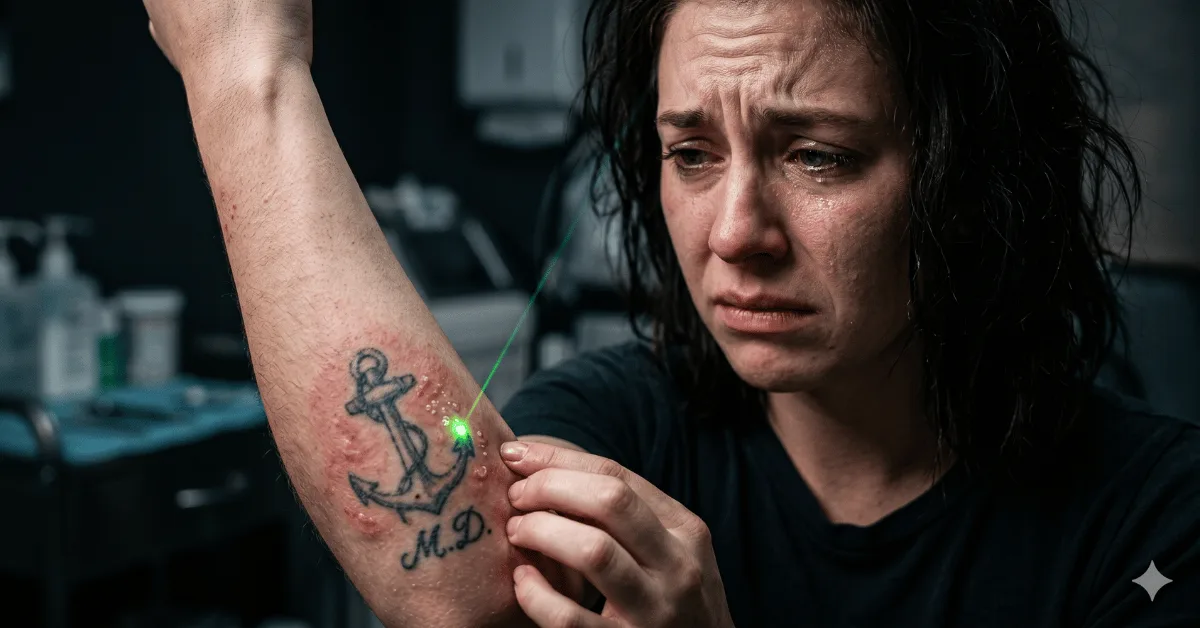
Understanding the Laserless Tattoo Removal Review: Does It Work? Analysis
Understanding how pigment leaves the skin helps you judge alternative fading methods. This section explains the biology that lets ink fade and clears up common myths. Read on to set realistic expectations for any at-home plan you consider.
The Science Behind Ink Fading
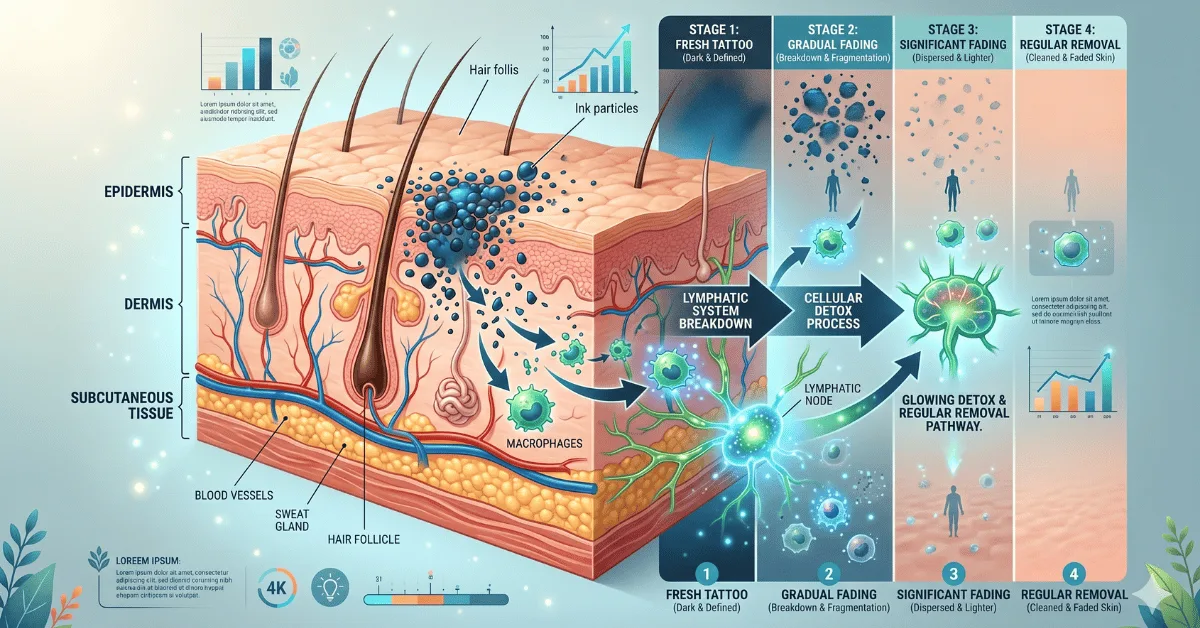
Your body treats ink as foreign particles. Over time, immune cells carry tiny pigment fragments away via the lymphatic system.
Chemical agents and topical formulas aim to speed this process by breaking ink into smaller pieces or encouraging skin turnover. That may reduce colour visibility without harsh lasers.
Debunking Common Myths
Many think only high-power laser tattoo treatments can fragment pigment. In truth, some natural methods can also influence ink fate, but results vary by skin type and ink depth.
“No single method guarantees full clearing; outcomes depend on ink, skin, and consistent care.”
- Expect multiple sessions and slow changes.
- Professional laser tattoo options often work faster, but at-home approaches may lower the risk of scarring.
- Know the limits: deep or dark ink may need stronger treatment.
| Factor | Natural Method | Laser Tattoo Option |
|---|---|---|
| Speed | Slow | Faster |
| Skin impact | Lower risk | Higher risk of irritation |
| Sessions | More sessions likely | Fewer sessions are often needed |
How the Natural Removal Method Functions

Start with a clear, repeatable routine. The natural method works by delivering targeted ingredients into the upper dermis. Those compounds act to fragment pigment and support your body’s clearing processes.
Step-by-Step Application Process
Follow each step exactly to keep the area clean and limit irritation.
- Clean the area: wash gently with mild soap and pat dry. Keep the area clean before you begin.
- Apply the formula: spread a thin, even layer so active ingredients reach the ink safely.
- Massage lightly: use small circular motions to help absorption for 2–3 minutes.
- Cover if instructed: Some protocols ask you to protect the area for a short period after application.
- Hydrate and protect: use recommended moisturisers and sunscreen between sessions to keep the area healthy.
Unlike a professional laser treatment, this at-home approach lets you control timing and comfort. You will likely need multiple sessions, and each session should be spaced as the guide recommends.
“Consistent preparation and gentle aftercare improve results more than rushed, aggressive attempts.”
- Prepare skin before every removal session to maximise absorption.
- Keep the area hydrated to help your lymphatic system process pigment.
- Expect slower changes than lasers, but lower risk to skin when followed correctly.
Comparing Natural Techniques Against Traditional Laser Treatment
Comparing at-home methods to clinic-grade lasers helps you weigh cost, comfort, and likely results.
Cost Comparison
Natural methods are generally cheaper up front. You pay for creams, supplies, and time at home. Professional laser treatment, such as LightSense at NAAMA Studios, can be costly because clinics use high-end systems and trained staff.
Pain Thresholds
Many people describe clinic lasers as a quick, sharp sting—like a rubber band snapping against the treated area. Home approaches are gentler but may irritate if used aggressively.
Effectiveness and Results
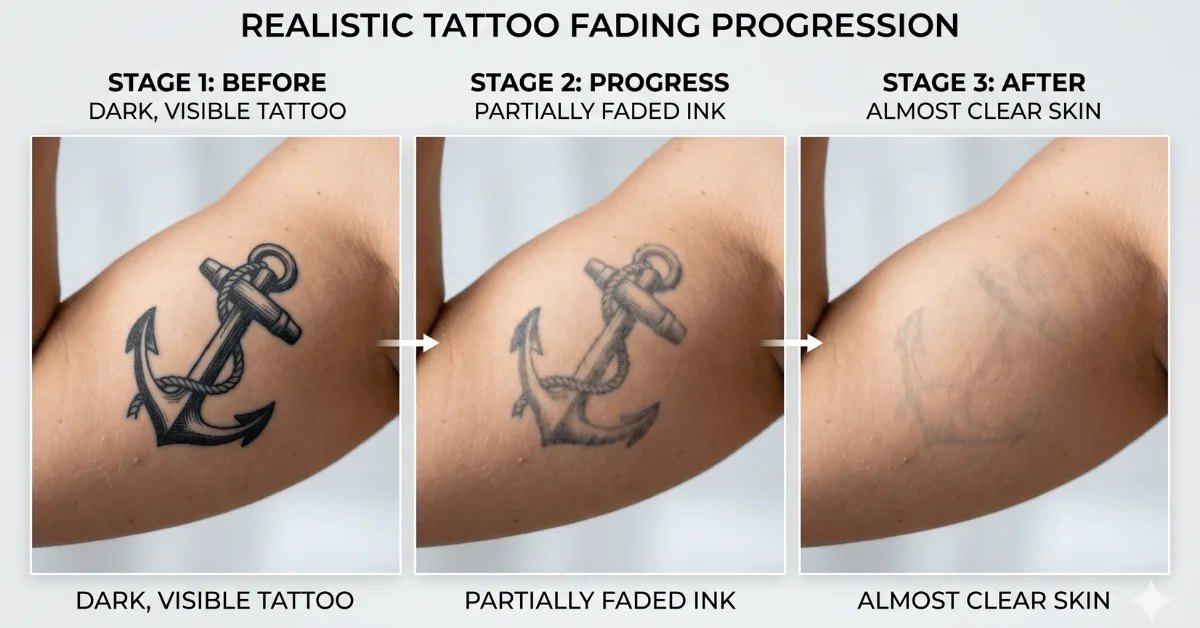
Laser tattoo removal lasers often need about 8–12 sessions to fade the ink significantly. Natural creams take more time and more sessions overall, but they lower the risk of skin damage and scarring.
Your immune system still does most of the work by clearing fragmented ink particles. For darker skin, choosing the right removal lasers matters to avoid hypopigmentation or hyperpigmentation.
| Factor | Natural Method | Laser Treatment |
|---|---|---|
| Cost | Lower | Higher |
| Pain | Low–moderate | Moderate (rubber-band feel) |
| Sessions | More, slower results | Typically 8–12 |
Key Benefits of Choosing an At-Home Approach
A home approach puts you in charge of pacing and budget from day one. You can plan sessions around work and life. This gives you the flexibility that clinic schedules rarely offer.
Lower cost: One of the clearest benefits is price. Home kits and supplies cost far less than clinic visits and multiple laser sessions.
Comfort and convenience: You avoid frequent trips to a clinic and manage the process in a familiar setting. That reduces stress and lets you treat the area when you feel ready.
Less risk to skin: By avoiding high-energy lasers, you lower the chance of scarring or permanent pigment changes. Many users find the gentle approach easier to tolerate.
- You control timing and pace.
- Pain is usually milder than clinic lasers.
- The method is user-friendly and accessible.
| Benefit | At-Home Approach | Clinic Laser Treatment |
|---|---|---|
| Cost | Low up front | High per session |
| Convenience | Do it at home on your schedule | Requires appointments |
| Skin impact | Lower chance of scarring | Stronger energy; more risk |
| Pain | Milder, gradual | Sharper, quicker |
Who Should Consider This Guide
If you want a private, budget-friendly path to fade unwanted ink, this guide is written for you. It explains a gentle, at-home approach that fits busy schedules and avoids frequent clinic visits.
This guide is a good fit when you:
- Have unwanted tattoos and seek a cost-effective, home-based tattoo removal option.
- Worry about pain or scarring from professional laser treatment and want a gentler route.
- Own pieces that are costly or hard to clear with clinic lasers and need alternatives.
- Prefer privacy and control, treating the area on your own timetable.
- Can’t commit to regular clinic appointments and need flexible pacing for sessions.
Bottom line: If you want a proactive, natural plan to clear your skin of unwanted ink without the expense or schedule of clinic treatment, this guide gives practical steps you can follow at home.
Potential Limitations and Real Customer Experiences
Real users share a clear theme: you should expect a gradual process and plan for patience.
This method can work well for many people, but it often takes more time than a single clinic session. Results depend on ink depth, skin type, and how closely you follow aftercare tips.
Common Side Effects to Watch For
Watch the treated area after each session. Mild redness and light swelling are common. If irritation grows or you see unusual discolouration, stop and consult a pro.
- Real customers say progress is slow but steady compared to a laser tattoo session.
- Keep the area protected from the sun and follow aftercare tips to avoid skin damage and scarring.
- Some users report sensitivity or allergic reactions to creams; test a small patch first.
- Hydration helps the body’s lymphatic system clear ink particles—drink water and support your immune system.
“Many people value less scarring and home control, even if the time to fade is longer.”
Bottom line: This at-home route reduces harsh side effects seen with strong lasers, but it may not suit every tattoo or darker skin tones. Know the limits and monitor your skin closely.
Pricing Structure and Available Bonuses
Knowing exactly what you pay up front removes surprises during your fading journey. The guide is priced as a single, affordable purchase. That one-time fee compares favourably to repeated clinic visits and multiple laser sessions.
What you get: the full step-by-step program, detailed aftercare for your skin, and bonus resources to support safe fading of unwanted ink.
The package includes exclusive bonuses: a hydration and diet guide to boost lymphatic clearing, a printable care checklist for each area you treat, and a troubleshooting mini-course. These extras are tailored to help you get better results at home.
Transparent terms: no hidden fees, no surprise subscriptions. You pay once and keep access to the materials.
“If you are not satisfied, the 60-day money-back guarantee lets you test the plan risk-free.”
- One-time cost vs recurring clinic treatment fees
- Bonuses focused on better skin health and faster progress
- Clear refund policy for peace of mind
The Importance of the Money-Back Guarantee
Knowing you can get your money back removes a lot of the risk when testing a new regimen. The guide includes a 60-day money-back guarantee so you can try the natural tattoo removal program with confidence.
You have two full months to follow the steps and watch how your skin responds. If the method does not meet your expectations, request a full refund within 60 days.
This guarantee shows the creators’ confidence in the program and their commitment to customer satisfaction. It also protects your financial interests while you test the techniques.
- You get peace of mind while trying a new at-home approach.
- The 60-day window gives ample time to assess progress across the treated area.
- If you are unhappy, the refund policy makes the purchase risk-free.
“A clear refund policy helps you choose a tattoo removal solution without worrying about wasted money.”
Safety Precautions and Skin Care Tips
Careful steps before and after each session protect your skin and speed healing. Follow these precautions to lower the risk of infection, scarring, and unwanted side effects.
Keep the treated area clean and dry. Gently wash with mild soap and pat dry. A clean area helps your body heal and reduces infection risk after any tattoo removal session.
Use gentle moisturisers. Apply a fragrance-free moisturiser to avoid irritation. Proper hydration of the skin helps minimise scarring and supports the natural clearing process.
- Always keep the area clean and dry to prevent infection and support healing.
- Avoid direct sun exposure on the treated area to prevent discolouration and interference with the removal process.
- If you feel unusual pain or see persistent redness, stop the treatment and consult a professional right away.
- Follow instructions carefully for each removal session to avoid unnecessary skin damage.
Protect the area between sessions. Use sunscreen once healed and cover the spot during outdoor activities. This lowers the chance of pigmentation changes after a removal session.
Safety is the top priority. By keeping the area clean, monitoring for pain or side effects, and following aftercare advice, you can better manage your tattoo removal journey and aim for the best results with minimal complications.
🚫 Stop Wasting Money on Painful Laser Treatments
Why spend $200–$500 per session (up to $2000 total) when there’s a smarter way?
👉 Discover the natural, at-home method that helps fade tattoos without pain, high cost, or risky procedures.
✅ What You’ll Get Inside “Laserless Tattoo Removal Guide”:
- 💸 Save Thousands vs expensive laser sessions
- 🏠 Remove Tattoos at Home — no clinics, no appointments
- 🌿 All-Natural Methods using simple ingredients
- ⚡ Step-by-Step System anyone can follow easily
- 📉 Visible Fading in Weeks (based on user results)
- 🛡️ No Painful Laser or Skin Damage
- 🎁 6 FREE Bonuses Worth $200+
- 🔄 60-Day Money-Back Guarantee — Zero Risk
⚡ Ready to Remove Your Tattoo Without Pain or Huge Cost?
👉 Click below to get instant access and start fading your tattoo today
🔥 👉 Get The Laserless Tattoo Removal Guide Now
Conclusion
Final verdict: Choosing a slower, gentler fading method can protect your skin while you work toward lighter ink.
In short, this guide offers a cost-conscious, at-home alternative to clinic laser treatment. You should expect more sessions and more time, but you may face less pain and less chance of scarring or harsh side effects.
Your results depend on your commitment to the process and careful aftercare. The plan includes clear steps, a hydration guide, and a 60-day money-back guarantee so you can test the system risk-free.
Ready to begin? Click the link below to access the guide and start your path toward clearer skin today.
FAQ
What is the difference between an at-home natural method and professional laser treatment?
You’ll find that professional laser systems use focused pulses of light to break ink into tiny particles that your immune system clears via the lymphatic system. At-home natural methods aim to fade ink gradually by promoting exfoliation and stimulating circulation in the treated area. Lasers are faster and more predictable but costlier and can cause temporary pain and pigmentation changes. Home approaches are cheaper, slower, and have variable results depending on your skin type and the ink depth.
How many sessions are typically needed with laser removal versus natural approaches?
With modern tattoo lasers, most people need several treatment sessions spaced weeks apart—often between 4 and 12—depending on ink colour, size, and location. Natural or topical systems may require many more applications over months, and some ink may never fully fade. Expect longer timelines and less consistent outcomes when you skip professional laser treatments.
Will the process cause scarring or skin damage?
Any aggressive intervention can risk scarring if handled poorly. Laser clinics that follow safety protocols minimise scarring and monitor healing. At-home methods that over-exfoliate or irritate skin increase the chance of hyperpigmentation, infections, or scar formation. You should keep the treated area clean, follow aftercare guidance, and avoid aggressive scrubbing or excessive sun exposure to reduce risk.
How painful are removal sessions, and how can you manage discomfort?
Laser sessions feel like rapid snaps or heat on the skin; pain varies with body area and your threshold. Clinics offer numbing creams or cooling devices to reduce discomfort. At-home treatments usually cause milder irritation but can produce burning or prolonged soreness if misused. Use recommended topical anaesthetics or over-the-counter pain relief and follow cooling and hydration tips to manage pain.
Are results different on darker skin tones?
Yes. Darker skin carries a higher risk of pigment changes because lasers target pigment and can affect surrounding melanin. Experienced providers adjust laser type and settings—such as using picosecond or Q-switched lasers—and proceed conservatively. Natural methods also carry a risk of uneven lighting. Always consult a dermatologist before starting any removal path if you have darker skin.
What side effects should you watch for after treatment?
Common short-term effects include redness, swelling, blistering, and tenderness in the treated area. Infection, hypo- or hyperpigmentation, and scarring are less common but possible, especially with improper aftercare. Keep the area clean, avoid sun and swimming pools for a few days, and use any prescribed creams to support healing.
Can the immune system remove ink particles on its own?
Your immune system does play a central role after any removal method. Lasers fragment ink into smaller particles so macrophages can transport them away through the lymphatic system. At-home methods may help surface ink particles but rely less on immune-mediated clearance and more on skin shedding, so results are limited.
How should you prepare the skin before a session or at-home treatment?
Prepare by keeping the area clean, avoiding sun exposure for at least two weeks, and stopping blood-thinning supplements if advised by a clinician. Hydrate your skin and avoid tanning. For laser sessions, follow the clinic instructions about topical numbing or alcohol use. For home protocols, test a small patch first and follow exactly the product guidance to minimise irritation.
How long does it take to see measurable fading?
With lasers, you may notice some fading after the first session, but a more significant change after several sessions over several weeks. Natural approaches often require months of consistent application before you see modest lightening. Results depend on ink colour, depth, skin type, and the chosen method.
Are there cost differences between laser clinics and at-home systems?
Professional laser treatment has higher upfront and per-session costs, and total expense varies with the number of sessions needed. At-home kits or topical approaches cost less initially but may require long-term purchases and still not match laser effectiveness. Factor in travel, clinic reputation, and potential follow-ups when comparing prices.
Can certain ink colours be harder to remove?
Yes. Black and dark blues respond best to most lasers, while greens, yellows, and lighter pigments are harder to target and may need specialised wavelengths. Natural methods rarely target specific pigments effectively. Discuss ink colours with your provider to set realistic expectations.
What aftercare should you follow to reduce complications?
Keep the treated area clean and dry, apply recommended topical ointments, avoid direct sun and tanning, and refrain from swimming until healed. Don’t pick at scabs or blisters. Maintain hydration, wear loose clothing over the treated area, and contact your provider if you notice signs of infection.
Can you combine at-home methods with professional laser sessions?
Some people use gentle topical care to support healing between laser sessions, but you must avoid aggressive products that sensitise the skin or interfere with laser timing. Always consult your laser technician or dermatologist before adding home treatments to ensure they won’t increase irritation or affect results.
Is there a guarantee of complete ink removal?
No reputable provider guarantees full removal for every case. Many factors—skin type, ink colour, depth, and your immune response—affect outcomes. Clinics may offer realistic estimates, and some at-home brands provide money-back guarantees under specific terms, but absolute removal cannot be promised.