
You stare at an old design and feel a quiet tug — a wish for change that sits under your skin. This guide is for individuals seeking clear and honest answers about their bodies and tattoos. You will learn what the skin holds, why removal can be slow, and what realistic steps you can take now.
The FDA does not regulate tattoo ink, so choosing a trusted artist matters. Proper aftercare for a new tattoo means using antibacterial soap and moisturiser during the healing process. Oliver Zak notes that careful care helps maintain stable healing and reduces the risk of infection.
Understanding how to make a tattoo fade faster naturally means looking at biology, time, and real effects. Tattoo fading often takes months or years for many people. While some home ways may slightly alter appearance, professional tattoo removal and laser work offer the most complete results and have trade-offs you should know.
Key Takeaways
- Ink sits in the dermis, so home remedies have limits.
- Research your artist; ink quality and safety vary.
- Proper healing care prevents infection and scarring.
- Natural methods may help modestly; laser removal is more definitive.
- Expect time, cost, and possible side effects with removal.
Understanding the Science of Tattoo Pigment
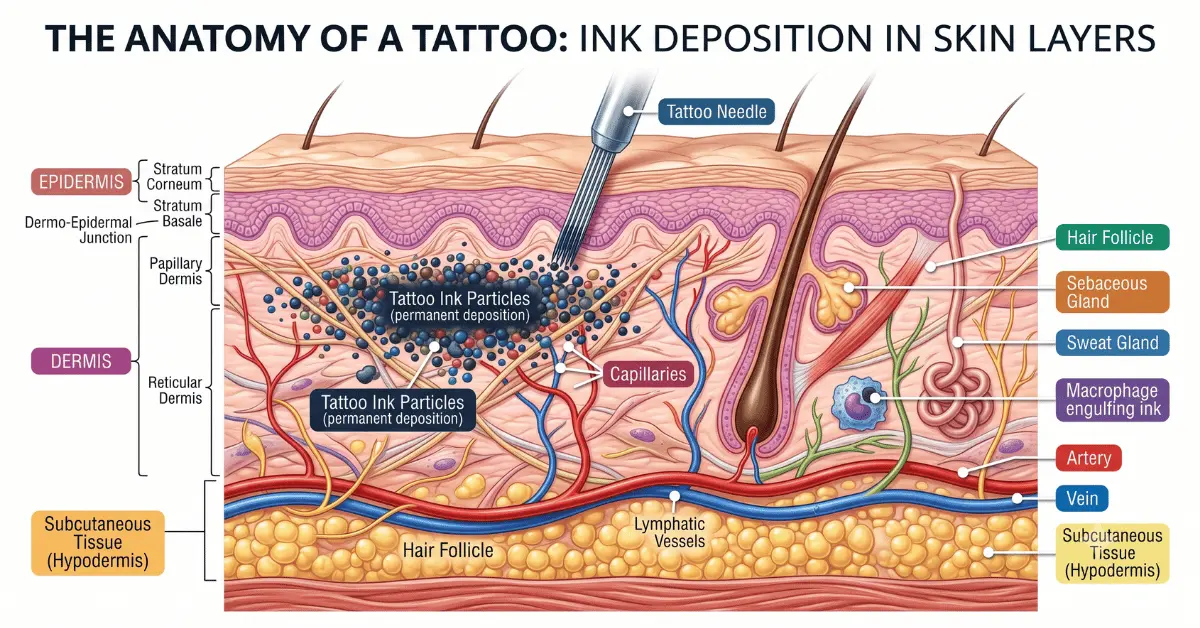
What keeps body ink visible long term is where and how the pigment sits in your skin. Before you try any fading methods, you should know the biology that locks ink in place.
The Dermal Layer
The dermis is the deeper layer of your skin. This is where artists place ink during the process.
Cells in the dermis renew slowly. That slow turnover makes the dermis a lasting repository for pigments.
This is why professional removal is challenging: the ink lives below the fast-shedding outer layer.
Ink Particle Stability
Your body treats ink as a foreign material. Immune cells try to break pigments down.
Many ink particles are simply too large for macrophages and the lymphatic system to clear efficiently.
- Dermis permanence: ink sits where surface shedding cannot reach it.
- Immune battle: Fading is an ongoing fight between cells and particles.
- Particle size: Large pigments resist removal and stay trapped for decades.

Factors That Influence How to Make a Tattoo Fade Faster Naturally
Not all designs respond the same when you try gentle, body-based fading methods.
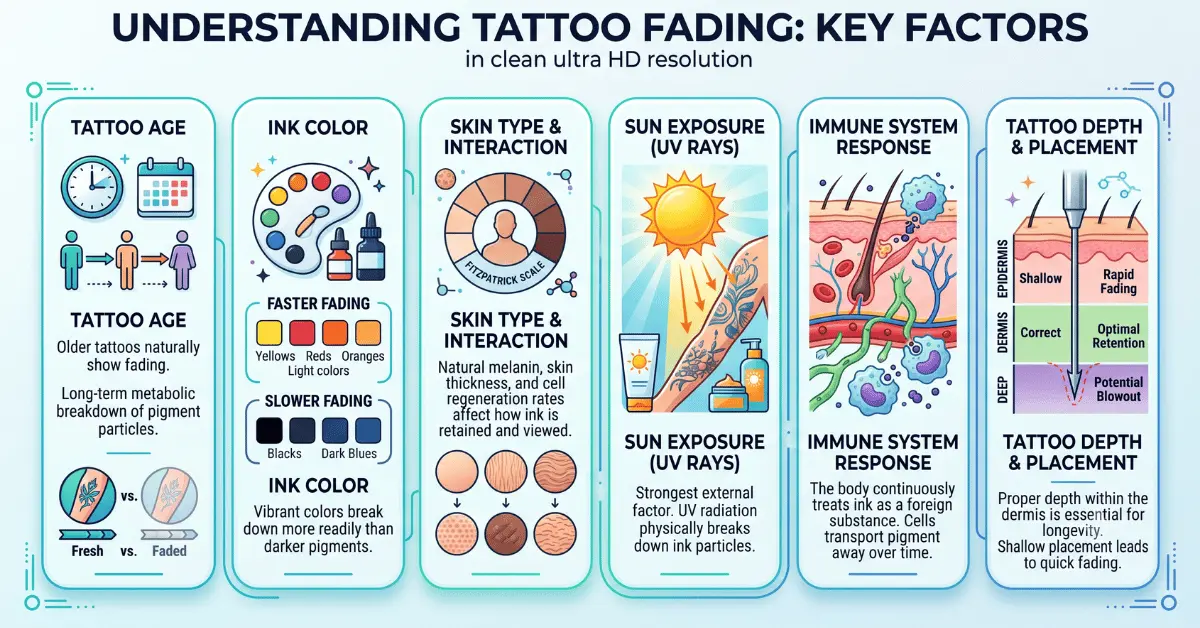
Your skin type matters. Oily, dry, or sun-exposed skin will change pigment clearance rates. Some people see small shifts in weeks; others wait months or years.
Size and depth are key. Larger pieces and deep-set ink particles usually take much longer to show a visible change. Surface-level work and lighter pigments often respond better.
Ink colour and composition affect outcomes. Black and dark pigments resist breakdown, while watercolour shades and lighter pigments can lighten sooner.
Your overall health drives the process. A strong immune response helps clear ink particles from the dermis. That is why professional tattoo removal and laser treatments are often more predictable than the body’s natural methods.
- Expect side effects like irritation if you push skin too hard.
- Understand that the layer of skin traps many pigments, so patience is essential.
Natural Topical Methods for Fading
Topical approaches can alter the look of ink over weeks when used carefully. These are low-cost options that target the surface layers of skin rather than the deep dermal layer skin where most pigment sits.
Exfoliation Techniques
A salt scrub helps lift dead cells and light surface pigments. Mix 2 tablespoons of sea salt with 1 tablespoon of water and rub gently over the area once daily.
Note: aggressive scrubbing can irritate skin and slow progress, so be gentle and stop if redness appears.
Acidic Applications
Lemon juice and diluted apple cider vinegar contain acids that may lighten pigments over time. Apply sparingly and rinse well.
Warning: lemon juice increases sensitivity to sunlight. Use sunscreen and avoid direct sun after application.
Hydrating Remedies
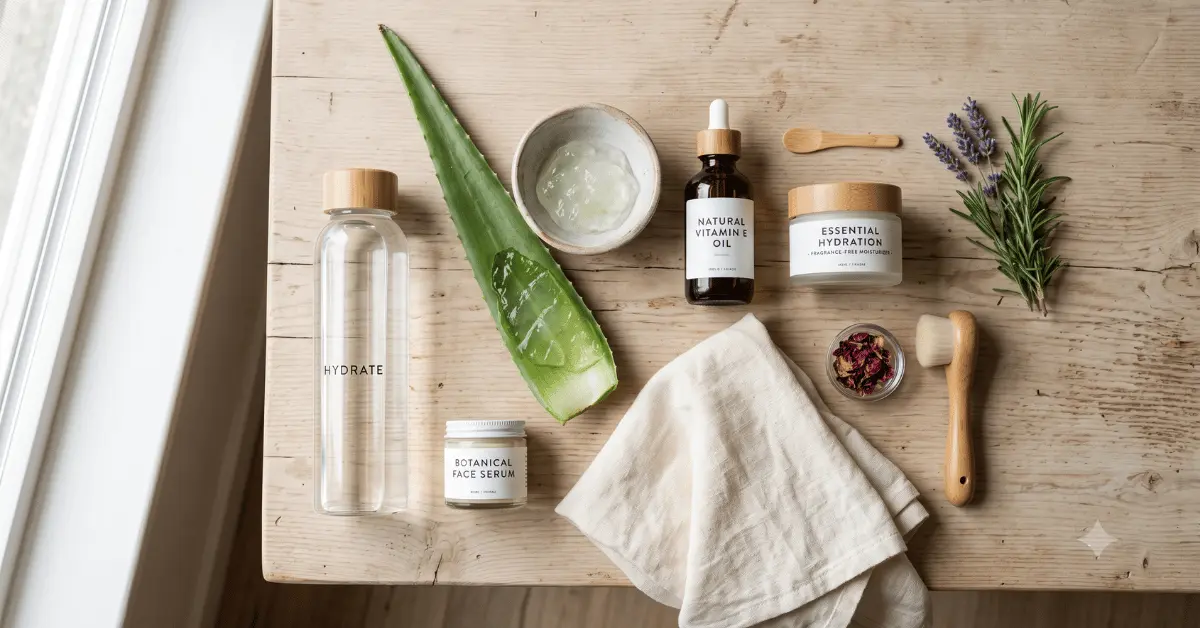
Aloe vera and honey soothe and support healthy skin during the process. Keeping skin hydrated can help peeling and surface renewal proceed without excess irritation.
- Apply aloe gel twice daily after exfoliation.
- Try a thin layer of honey overnight, then rinse in the morning.
Reality check: these ingredients and routines affect only the top layers skin and often require repeated daily effort over time. Expect subtle results and consider professional options for major change.
Lifestyle Habits That Support Skin Health
Small daily choices can strengthen your immune response and help your skin recover after ink work.
Hydration matters. Women should aim for about 2.2 litres of water per day and men about 3 litres, per Mayo Clinic guidance. Drinking enough water helps your body flush toxins and keeps skin supple during the healing process.
Nutrition also plays a key role. A diet rich in antioxidants and lean protein gives your body the building blocks to produce immune cells. Those cells are the primary mechanism that works on ink particles over time.
Sleep and stress control affect results. Getting eight hours of sleep each night helps repair skin. Reducing stress lowers cortisol and keeps your immune system active. Regular exercise boosts circulation and helps deliver immune cells to the tattoo site.
Boosting Immune Function
- Avoid harsh chemicals on a new tattoo; use gentle, unscented lotions to support healing.
- Eat whole foods and natural ingredients like berries, leafy greens, and lean fish for their antioxidant effects.
- Keep routines steady—hydration, rest, and moderate exercise each day aid steady tattoo fading.
Habits and Environmental Factors to Avoid
Everyday choices in your routine have a real impact on how ink ages under the skin.
Smoking reduces blood flow and collagen. That constriction slows the body’s ability to move pigment out of the area. Avoid cigarettes if you want healthier skin and better long-term results for your tattoo.
Sun exposure breaks down pigments and makes tattoos look dull. Use SPF and cover the area when you expect to be in the sun for a long time. Tanning beds are worse because they concentrate UV light and speed pigment loss.
Aggressive scrubbing, pools, and tight clothing all harm healing and may distort colour. Chlorine in hot tubs can irritate a new tattoo and change ink’s appearance. Friction can rub off protective layers and invite infection.
- Avoid smoking and heavy alcohol while healing.
- Protect skin from direct sun and tanning beds.
- Skip hot tubs and strong cleansers on a new tattoo.
- Wear loose clothing over fresh ink to reduce rubbing.
Consistent care is the best defence. Gentle cleaning, regular sunscreen, and patience support tattoo fading control and healthier skin overall.
Comparing Natural Approaches with Laser Removal
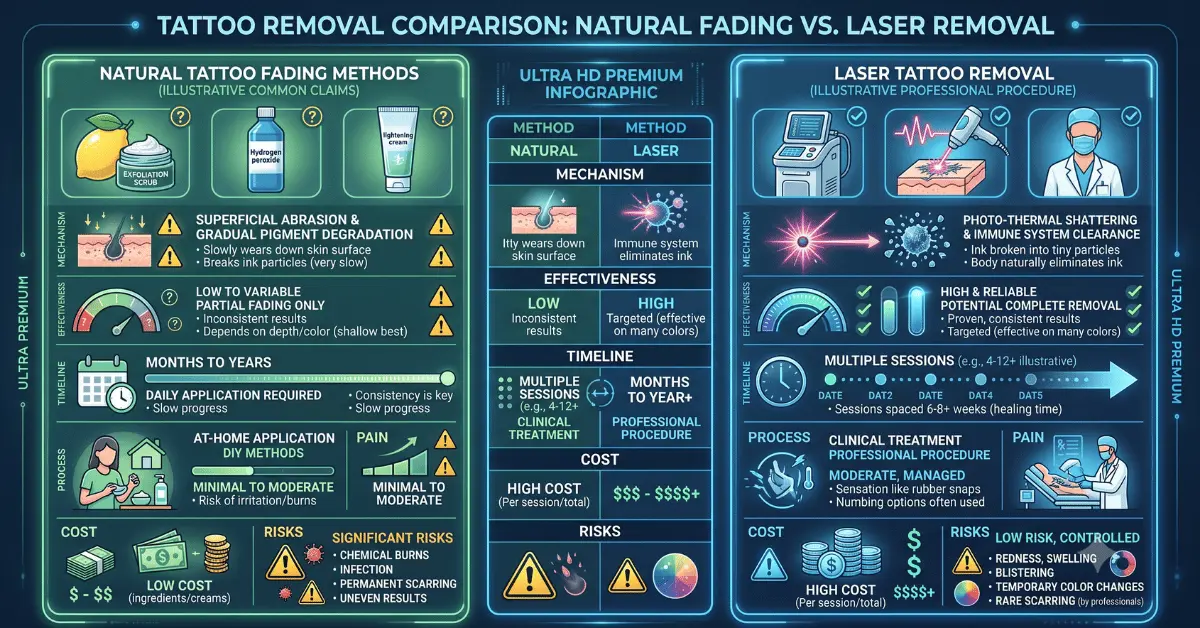
Natural routines and clinical lasers attack ink in very different ways. Home methods focus on the surface of your skin and aim for gradual change over weeks or months.
Laser removal uses pulses of energy that shatter ink particles into tiny fragments. Your body then clears those fragments via the lymphatic system. This targets the layer of skin where ink sits and can produce near-complete removal after several sessions.
Natural approaches are safer for daily use and cost far less. They lack the precision of laser work, so results are subtle and take much longer. If you want a dramatic change, natural care will not match a professional tattoo removal plan.
- Laser: effective, faster, but expensive and may cause discolouration or blistering.
- Natural: lower cost, lower risk, best for gentle tattoo fading rather than full removal.
- Professional consultation matters: your skin type and pigments affect session count and side effects.
Decide by weighing time, cost, and possible side effects. If an unwanted tattoo is a priority, compare the investment in laser sessions against months of home care.

The Role of Professional Tattoo Care
When colour dulls or edges blur, expert touch-ups can bring your design back to life.
A professional artist knows how deep to place ink so your tattoo lasts longer. Proper depth prevents premature loss of pigment and preserves line work.
Touch-ups restore vibrancy. Adding fresh ink to faded areas can revive detail without changing the original design. This is often quicker and less costly than full removal or cover-ups.
If you have a new tattoo, follow the aftercare instructions from your artist for safe healing. Good skin care supports long-term colour and reduces the need for frequent retouches.
- Get periodic touch-ups from a trained professional to maintain appearance as you age.
- Consult an artist before pursuing removal or laser sessions; a cover-up might be a better option.
- Keep the area moisturised and protected from the sun for lasting results.
When you notice a tattoo fading, seek professional advice. A skilled artist can identify causes and recommend care or corrective work that home remedies cannot match.
Managing Expectations During the Fading Process
Expect gradual progress: changes in ink and skin usually show only after months of steady care. Natural shifts are slow because pigment sits deep in the dermis. You should plan for weeks or many months before you notice a meaningful change.
Be realistic: home routines can help surface tones and support healing, but they rarely match the effectiveness of professional removal. If you want significant lightening in a limited time, laser sessions are the proven option.
Prioritise skin health over speed. Aggressive attempts can cause scarring and permanent damage. Let your body process small ink fragments and avoid extreme methods that trade short-term gains for long-term harm.
- Document progress with photos every few weeks to track real effects.
- Expect several months between noticeable changes; removal often needs multiple sessions.
- When frustrated, remember that steady care and proper healing matter more than quick results.
Exploring Structured Home-Based Removal Alternatives
A structured plan for at-home removal helps you avoid risky shortcuts and supports steady progress over a period of months.
Caution: many home methods lack strong clinical evidence and can cause skin irritation or other side effects. Treat topical routines and DIY recipes as low‑power options that act at the surface rather than the dermal layer.
A safer approach combines sensible lifestyle shifts, vetted ingredients, and professional check-ins. Keep skin hydrated, protect the area from the sun, and use gentle exfoliation sparingly. Track changes with photos every few weeks so you see real progress.
| Method | Target | Speed | Risk |
|---|---|---|---|
| Organised home routine | Surface pigments, skin health | Slow (weeks–months) | Low–moderate (irritation) |
| Laser sessions | Dermal ink particles | Faster (multiple sessions) | Moderate–high (blistering, scarring) |
| Professional consultation | Personal plan | Varies | Low (informed care) |
- If you seek structure for an unwanted tattoo, consider a comprehensive Laserless Tattoo Removal guide.
- Lemon juice and other natural ingredients are popular, but not a substitute for professional tattoo removal.
- Always consult a pro before starting any new routine; your skin type matters.
- Expect this process to take much longer than laser sessions, and will need steady commitment.
Recommendation: explore the Laserless Tattoo Removal guide for a careful, organised plan that supports the body’s natural clearing while avoiding harmful practices.
💥 Ready to Remove Your Unwanted Tattoo Without Breaking the Bank?

If you’re looking for a structured, step-by-step home approach to fading an unwanted tattoo, the Laserless Tattoo Removal Guide is worth exploring. According to its sales materials, it focuses on natural, at-home methods, explains why certain approaches may not be effective, provides ingredient lists, and includes step-by-step guidance, along with a money-back guarantee and bonus resources.
Here’s what you’ll discover:
✅ Step-by-step home-based tattoo fading guidance
✅ Natural ingredient recommendations and preparation tips
✅ Learn which DIY methods to avoid and why
✅ Guidance for different tattoo sizes, colours, and locations
✅ Tips for temporarily reducing tattoo visibility when needed
✅ Bonus eBooks and a money-back guarantee are included with the offer
👉 Ready to Learn More?
Discover how the Laserless Tattoo Removal Guide works and decide whether it’s the right fit for your tattoo removal goals.
➡️ Click Here to View the Laserless Tattoo Removal Guide Now
Conclusion
Real change in body ink comes slowly and asks for consistent, skin‑smart steps.
Your focus should be on safety, patience, and steady care. Expect progress over months, not days. Protect skin, track results with photos, and keep routines gentle.
Natural methods can lighten ink over time, but they rarely replace professional services. Consult a trained clinician before trying aggressive treatments at home.
In short: prioritise skin health, weigh options based on expected results and time, and seek expert advice when needed. We hope this guide gives clear direction for your next step.
FAQ
What layers of skin hold ink and affect fading?
Ink sits in the dermis, the middle skin layer. Because dermal tissue is stable and less prone to shedding than the epidermis, pigment particles remain trapped unless broken down by immune cells, abrasion, or laser energy.
Which pigment types resist fading the most?
Dark blacks and greys often last longest because their particles absorb light and are chemically stable. Bright colours like red, green, and blue can shift or fade unevenly depending on pigment chemistry and sun exposure.
Can topical exfoliation speed fading safely?
Gentle exfoliation using mild physical scrubs or chemical exfoliants like low-strength glycolic acid can remove surface buildup and slightly lighten superficial ink. Avoid harsh scrubs or high-concentration acids that damage skin and increase scarring risk.
Are acidic home remedies like lemon juice effective?
Acidic agents can lighten skin surface and may subtly affect superficial ink over long periods, but they rarely remove deep dermal pigment. Frequent use risks irritation, pigmentation changes, and scarring, so proceed with caution and patch testing.
Which hydrating remedies support fading?
Keeping skin moisturised with fragrance-free emollients and using products with ceramides or hyaluronic acid helps barrier function and healing. Healthy skin promotes immune activity that slowly clears tiny ink particles over months or years.
Do lifestyle choices change removal speed?
Yes. Strong immune response, good nutrition, adequate sleep, and avoiding smoking boost the body’s ability to clear pigment. Sun exposure darkens some inks and slows apparent fading, so consistent sun protection helps.
What habits should you avoid when trying to fade ink?
Avoid deliberate harsh abrasion, unregulated chemical peels, repeated tanning, and DIY tattoo cover-up injections. These increase infection, scarring, and colour change rather than safe removal.
How does natural fading compare with laser removal?
Natural methods produce gradual, limited lightening and work best on older, faded work. Laser removal targets dermal pigment directly and removes it much more effectively and predictably, but it requires multiple sessions and has cost and healing considerations.
When is professional care necessary?
Seek professional advice if you want significant removal, notice infection, excessive scarring, or allergic reactions. Dermatologists and licensed laser clinics can recommend medical-grade treatments and assess risks for your skin type and ink colours.
Should you expect quick results from home methods?
No. Natural and home-based approaches take weeks to months for modest change and may not achieve full removal. Manage expectations and consider medical options for faster, more complete results.
Are there structured home-based alternatives worth trying?
Some controlled at-home regimens—like consistent sun protection, daily moisturising, mild exfoliation schedules, and dietary support—can complement professional options. Always prioritise gentle, evidence-based practices to limit harm.