Surprising fact: studies show that clinics following tailored protocols cut complication rates by over 60% when treating patients with higher melanin levels.
You need to know how melanin changes the way laser light interacts with your skin. High melanin can absorb energy; therefore, providers must adjust settings and select the appropriate laser type.
Choose a clinic that specialises in diverse skin tones and proven protocols. Skilled practitioners reduce risk and guide you through each session, from testing to full treatment plans.
Modern laser tattoo removal tools have improved a lot today. When matched to the ink colours and your skin, they make successful outcomes more likely.
Remember: realistic expectations and careful aftercare matter. Proper healing steps lower the chance of scarring and discolouration, keeping your skin healthy.
Key Takeaways
- Melanin affects how laser energy targets ink; adjustments are essential.
- Pick clinics with experience treating darker skin tones and structured protocols.
- Modern laser tattoo tools offer better results when matched to your skin and ink.
- Expect multiple sessions and clear guidance from your provider.
- Follow aftercare closely to protect healing and reduce complications.
Understanding Melanin and Skin Types
Different melanin levels demand tailored laser approaches to avoid colour shifts. You should know how natural pigment changes energy absorption. That knowledge helps you and your provider pick safer settings.
The Fitzpatrick Scale
The Fitzpatrick Scale was developed in 1975 by Thomas B. Fitzpatrick. It classifies how skin types react to ultraviolet light. Clinicians use it to predict sensitivity during treatment and to reduce complications.
Higher melanin absorbs more laser energy. That raises the risk of unwanted pigment change. Identifying your exact type guides the energy level and wavelength selection. It also helps set realistic expectations about sessions and healing.
- Know your type so you can discuss tailored care.
- Technicians match settings to protect natural pigment.
- Different skin types respond differently to ink and light.

| Fitzpatrick Type | Typical Tone | Clinical Implication |
|---|---|---|
| I–II | Very light to light | Lower pigmentation risk; standard settings are often used |
| III–IV | Medium to olive | Moderate melanin; adjusted wavelengths recommended |
| V–VI | Darker tones | High melanin, conservative energy and test spots required |
Risks Associated with Tattoo Removal for Dark Skin

Procedures that break up ink in richer tones carry unique risks you should understand. You must weigh the benefits and hazards before treatment. The main concerns are changes in pigment and potential tissue damage.
Hyperpigmentation Concerns
Higher melanin increases the chance of hyperpigmentation. Clinics such as Adrenaline Studios in Vancouver and Toronto report that increased irritation often leads to temporary darkening in treated areas.
Sun exposure makes this worse. Protect treated zones before and after sessions to lower long-term colour shifts.
Hypopigmentation and Long-term Effects
Hypopigmentation affects about 10% of people who undergo laser procedures. This presents as lasting light patches where pigment was reduced.
Choosing a practitioner with experience adjusting laser settings to match your skin types helps minimise permanent damage. If you notice unexpected pigment changes, contact your specialist right away to discuss healing time and options.
- Use a proven clinic with experience treating darker skin tones.
- Keep treated areas out of the sun to lower the risk.
- Understand that hyperpigmentation often fades, while hypopigmentation may persist.
Comparing Laser and Non-Laser Removal Methods
Some techniques target ink with light, while others use chemical or physical means — know the difference.
Laser options like Q‑switched Nd: YAG are often chosen for darker skin tones because they lower the chance of pigment change. PicoSure uses PressureWave technology to shatter ink into microscopic particles that your body can clear with less surface trauma.
Non‑laser alternatives such as Tatt2Away® use an escharotic process to lift ink via a scab. This may suit some skin types but has different scarring and healing trade-offs than lasers.
“Pick a method based on your skin type, ink colors, and how many sessions you can commit to.”
- PicoSure: effective on deeper ink, fewer sessions possible, gentler tissue impact.
- Q‑switched Nd:YAG: preferred for lower pigment risk with proper settings.
- Tatt2Away®: non‑laser route, involves eschar formation and longer surface healing.
| Method | Effectiveness | Recovery | Typical Risk |
|---|---|---|---|
| PicoSure (PressureWave) | High on varied ink colours | Moderate, quicker clearance | Low to moderate pigment shift with an experienced operator |
| Q‑switched Nd: YAG | Good for darker tones | Moderate, multiple sessions | Lower melanin alteration risk when settings are adjusted |
| Tatt2Away® (escharotic) | Variable; best on some inks | Longer surface healing, scab formation | Higher scarring risk if not performed correctly |
The Importance of Professional Consultations and Skin Testing
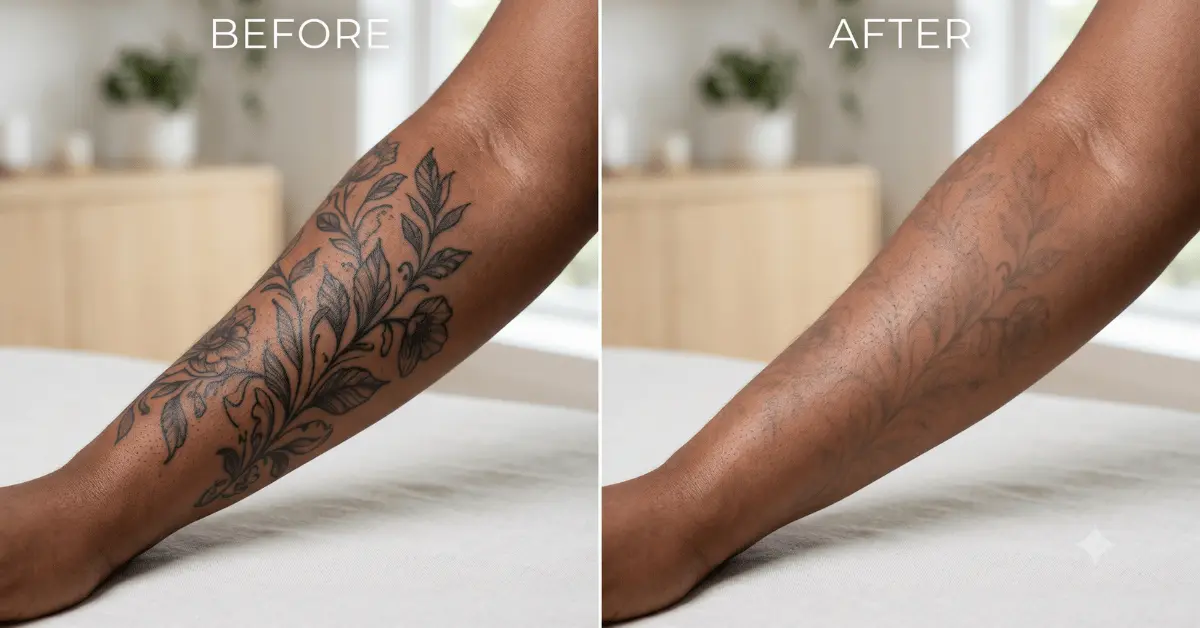
A careful consultation and a small test area are the best first steps when considering laser work on richer tones. You should book an appointment that focuses on your skin type and the ink involved.
Ask about the practitioner’s experience with the Fitzpatrick Scale and their track record treating darker tones. This helps you assess whether the clinic knows how to adjust lasers and settings safely.
Always request a test spot. A small trial shows how your skin reacts and reduces the risk of unwanted pigmentation changes during full treatment.
- Ask which lasers they use and why those are chosen for your skin type.
- Request examples of cases with similar tones and outcomes.
- Be honest about medications, prior procedures, and medical history.
Professional studios often understand ink composition better than general cosmetic clinics. That knowledge can influence technique and session planning.
| Consultation Item | Why It Matters | What to Ask |
|---|---|---|
| Experience with Fitzpatrick Scale | Guides safe energy and wavelength choices | How many cases with similar tones have you treated? |
| Test spot protocol | Shows real reaction before full treatment | How long do you wait to assess results? |
| Laser types used | Different lasers suit different pigments and skin types | Which lasers do you use for my skin type, and why? |
| Pigmentation management | Reduces risk of hyper- or hypopigmentation | What steps do you take if pigmentation changes occur? |
Preparing for Your Tattoo Removal Journey

Start your preparation by understanding how realistic timelines shape outcomes and comfort during treatment. A clear plan reduces stress and improves healing. Good prep helps you and your clinician set safe settings and protocols.
Setting Realistic Expectations
Complete fade may take many sessions, depending on the size of the ink, colour, and your skin tone. Expect a staged timeline rather than a single fix.
Discuss the likely number of visits during your consultation. That gives you a practical time frame and cost estimate.
Essential Pre-Treatment Tips
Keep the area clean and avoid sun exposure before sessions. Sun increases the risk of pigmentation change and slows healing.
- Follow the clinic’s protocols on topical products and medications.
- Ask your technician about the lasers and settings they plan to use.
- Arrange a recovery plan and proper aftercare supplies in advance.
“Plan your schedule, protect treated areas from UV, and trust a clinician with experience in varied skin types.”
| Factor | Impact | What to track |
|---|---|---|
| Size of ink | More area needs more sessions | Measure surface area and colors |
| Skin types | Guides energy and wavelength | Note Fitzpatrick type in consultation |
| Aftercare | Affects healing and pigment outcome | Prepare ointments and sun protection |
Navigating the Procedure and Aftercare Protocols

Healing starts immediately after treatment as your lymphatic system removes fragmented ink. You may see redness or mild swelling right away; this is normal and usually fades in days.
Post-Treatment Healing and Maintenance
Aftercare matters. Keep the area clean, avoid sun exposure, and follow your specialist’s instructions to lower the risk of hypopigmentation and other damage.
Your body clears tiny ink particles over time. Hydration and a healthy diet support that process and help achieve the best results across sessions.
- Protect treated zones with broad-spectrum sunscreen when healed.
- Report any persistent light patches—hypopigmentation may need early management.
- Your technician will adapt laser settings and protocols based on how your skin reacts.
“Follow your provider’s aftercare steps to keep healing on track.”
| Phase | Common Signs | Recommended Action |
|---|---|---|
| Immediate (0–72 hrs) | Redness, swelling | Cold compresses, gentle cleansing |
| Short term (3–14 days) | Scabbing, lightning | Avoid picking; keep moist with approved ointments |
| Long term (weeks–months) | Ink particles clearing; possible pigmentation change | Monitor for hypopigmentation; consult the provider if seen |
Note: choosing a clinic experienced with darker skin tones reduces risk and improves your tattoo removal journey over time.
🚫 Ready to Leave Your Unwanted Tattoo Behind?
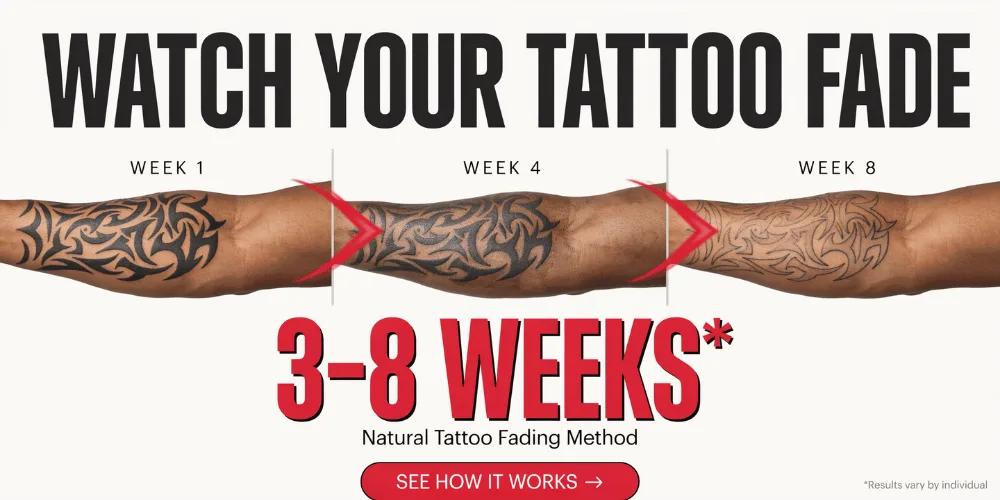
If you’re searching for tattoo removal options for dark skin and want to explore alternatives before committing to expensive laser sessions, this guide may be worth a look. The sales material, it focuses on a laser-free approach to tattoo fading and removal, along with step-by-step instructions and ingredient recommendations.
⭐ What You’ll Discover Inside:
✔ Step-by-step laser-free tattoo removal methods
✔ Information on tattoo ink, skin layers, and how fading works
✔ Natural ingredients commonly used in the process
✔ Guidance on methods to avoid and potential risks associated with some approaches
✔ Strategies for tattoos of different sizes, colours, and locations
✔ Bonus skin-care and tattoo-related resources included with the program
✔ 60-day money-back guarantee according to the vendor’s offer
👉 Want to Explore a Laser-Free Tattoo Removal Alternative?
Discover the Laserless Tattoo Removal Guide™ and see whether its step-by-step system is right for you.
🔥 Avoid costly clinic visits
🔥 Learn at your own pace from home
🔥 Access the complete guide instantly
🔥 Protected by a 60-day satisfaction guarantee*
➜ Click Here to Learn More About the Laserless Tattoo Removal Guide™
*Always review the product details carefully and consult a qualified healthcare professional before trying any tattoo removal method. Results can vary from person to person.
Conclusion: Achieving Safe Results
Safe results start with a clear plan and an experienced provider who adapts laser settings to your tones.
Removing dark skin is possible when a clinic understands darker skin and tailors care to your skin tone.
Choose a reputable team that explains how tattoo removal interacts with ink and how many sessions you may need.
Follow aftercare, stay patient through the journey, and report changes like hypopigmentation early so they can address it.
When you’re ready, contact a trusted studio today. Prioritise your skin’s health to reach the best possible results while protecting your body.
FAQ
What should you know before trying laser tattoo removal if you have darker tones?
You should understand that higher melanin increases the risk of pigment changes. Choose clinics that use PicoSure, Q-switched Nd: YAG 1064 nm, or other devices with adjustable settings proven safer on deeper tones. A board-certified dermatologist or licensed laser specialist will evaluate ink colour, depth, and your Fitzpatrick skin type to plan sessions that balance effectiveness and safety.
How does melanin affect treatment and outcomes?
Melanin absorbs some laser wavelengths, so your provider will pick wavelengths that target pigment without overheating surrounding tissue. That reduces the risk of hyperpigmentation or hypopigmentation. Multiple, lower-energy passes spaced over time often deliver better results than aggressive single sessions.
What is the Fitzpatrick Scale and why does it matter?
The Fitzpatrick Scale categorises skin by how it reacts to sun exposure, ranging from I to VI. Your classification helps clinicians choose laser settings and anticipate pigment responses. People in types IV–VI require more conservative protocols and extended intervals between treatments.
What are the main pigment risks you should watch for?
You should watch for hyperpigmentation (dark spots) and hypopigmentation (light spots). Hyperpigmentation is often temporary and improves with sun protection and topical agents. Hypopigmentation can be longer lasting and, in rare cases, permanent, so careful device selection and test spots are critical.
Can non-laser methods be safer for deeper tones?
Some non-laser options—like surgical excision or dermabrasion—carry their own risks, including scarring and colour mismatch. Saline or chemical methods may lighten ink but often require many sessions and offer inconsistent results. Laser remains the most controlled option when performed by experienced professionals using the right equipment.
Why is a professional consultation and test spot essential?
A consultation confirms your medical history, assesses ink colours and previous procedures, and sets expectations. A test spot uses selected settings on a small area to reveal how your pigment reacts. This step reduces surprises and guides safer treatment planning.
What realistic results and timeline should you expect?
Expect gradual fading over multiple sessions spaced 6–12 weeks apart. Darker inks and dense saturation require more sessions. Complete clearance is possible but not guaranteed; many clients achieve significant lightening sufficient for cover-ups or improved aesthetics.
What pre-treatment steps help minimise complications?
Avoid tanning and minimise sun exposure for several weeks. Stop photosensitising medications only with your clinician’s OK. Stay hydrated, avoid topical irritants, and disclose any history of keloids, autoimmune conditions, or recent isotretinoin use.
What happens during the procedure, and what should you expect immediately after?
During treatment, you’ll feel snapping sensations and may receive topical numbing. The treated area can swell, blister, and crust briefly. Follow aftercare instructions: keep the site clean, apply prescribed ointments, avoid picking, and use broad-spectrum SPF once healed to prevent rebound pigmentation.
How do you manage post-treatment pigmentation issues?
Prompt sun protection and gentle skin care reduce hyperpigmentation risk. Providers may recommend topical agents like hydroquinone alternatives, retinoids, or chemical peels tailored to your tone. For persistent hypopigmentation, options are limited; camouflage makeup or pigment-replacement therapies may help, but prevention is key.
Can certain ink colours be more challenging to remove on deeper tones?
Yes. Black ink responds best to 1064 nm lasers and clears more predictably. Greens, blues, and some yellows can be stubborn and may require different wavelengths or more sessions. Tattoo age, layering, and particle size also affect how quickly pigments break down.
What qualifications should your practitioner have?
Seek a board-certified dermatologist or an experienced laser technician working under medical supervision. Confirm they use devices from reputable manufacturers (for example, Cynosure or Candela brands) and follow protocols specific to higher Fitzpatrick types. Request before-and-after photos from similar cases.
Are there special aftercare rules to protect your tone?
Yes. Avoid sun and tanning beds, use SPF 30+ broad-spectrum sunscreen, refrain from hot baths or strenuous exercise that causes heavy sweating for several days, and follow wound-care guidance. Early sun exposure greatly raises the chance of darkening treated areas.
How do you choose between aggressive and conservative treatment settings?
Conservative, incremental settings lower the chance of pigment damage but require more sessions. Aggressive settings may clear ink faster, but increase the risk of scarring and pigment loss. Your provider will weigh ink colour, depth, and your Fitzpatrick type to recommend the safest path.
When should you seek a second opinion?
If a clinic minimises risk, pressures you into high-energy sessions, or lacks experience with deeper tones, get another assessment. Second opinions help you confirm device choices, expected outcomes, and realistic timelines before committing to a full course.