
Exploring cultural tattoos reveals a history of tattooing that goes back to around 3300 BCE. Different cultures have their own tattoo styles and meanings. This makes understanding cultural tattoo meanings and traditional tattoo symbolism key to grasping the significance of tattoos.
Appreciating tattoos means understanding their cultural importance. Tribal tattoos show identity and belonging. They mark tribal membership, social status, and family ties within communities. The history and symbolism of tattoos are deeply connected, making cultural tattoo meanings and traditional tattoo symbolism vital.
Key Takeaways
- Cultural tattoos have a rich history, dating back thousands of years, with different cultures developing their unique tattoo styles and symbolism, highlighting the importance of cultural tattoo meanings and traditional tattoo symbolism.
- Understanding the cultural significance of tattoos is crucial in appreciating the art of tattooing, as tribal tattoos serve as symbols of identity and belonging, signifying tribal membership, social status, and family lineage within communities.
- The cultural significance of tattoos is deeply rooted in the history and symbolism of different tattoo designs, making cultural tattoo meanings and traditional tattoo symbolism an essential part of the cultural significance of tattoos.
- Tattooing as a practice dates back to around 3300 BCE, with evidence of tattooing practices found in ancient Egypt, Polynesia, Africa, and Southeast Asia.
- Cultural appropriation concerns arise when non-indigenous individuals adopt tribal designs without understanding their significance, potentially leading to disrespect and commodification of indigenous cultures.
- The introduction of color in tribal tattoos has become more common, with vibrant hues such as red, blue, green, and yellow being used to enhance specific elements.
Understanding Cultural Tattoo Meanings Through History
Exploring tattoos reveals a deep connection between historical tattoo meanings and cultural tattoo traditions. Tattoos have a long history, with each culture adding its own twist. For example, Ötzi the Iceman, dating back to around 3300 BCE, shows tattoos’ importance in human history.
In many societies, tattoos are more than just body art. They show social status, family history, and achievements. In Polynesian cultures, tattoos tell about a person’s status and family history. Maori tattoos, or “moko,” share a person’s lineage and life story, making each one special.
Here are some examples of cultural tattoo traditions:
- Traditional Japanese tattoos, or “irezumi,” show mythical creatures and symbolise strength and courage.
- Sak Yant tattoos in Thailand offer protection and luck, chosen based on the wearer’s beliefs.
- Native American tattoos show tribal affiliations and spiritual beliefs, using symbols from nature.
As you explore tattoos, you’ll see that each culture has its own historical tattoo meanings and cultural tattoo traditions. Understanding these traditions helps us value tattoos in human culture and history.
Traditional Polynesian Tattoo Symbolism
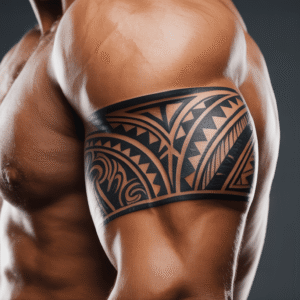
Polynesian tattoos have a rich history. They show indigenous tattoo meanings like social status, spiritual beliefs, and cultural identity. Styles like Maori and Hawaiian tattoos are unique and carry deep cultural significance of tattoos.
In Polynesian cultures, tattoos marked life changes, achievements, and spiritual beliefs. They symbolise protection, guidance, and power. The tattooing process was a sacred ritual in Polynesian culture.
Common symbols include shark teeth for courage and guidance, and the sun for prosperity and leadership. Turtles mean long life, family, and wellness. Seashells stand for protection and closeness.
Polynesian tattoos have a history of over 2000 years. The word ‘tattoo’ comes from the Tahitian word ‘tautau. Today, these tattoos are celebrated, with a rise in traditional tattooing.
Native American Tribal Tattoo Traditions
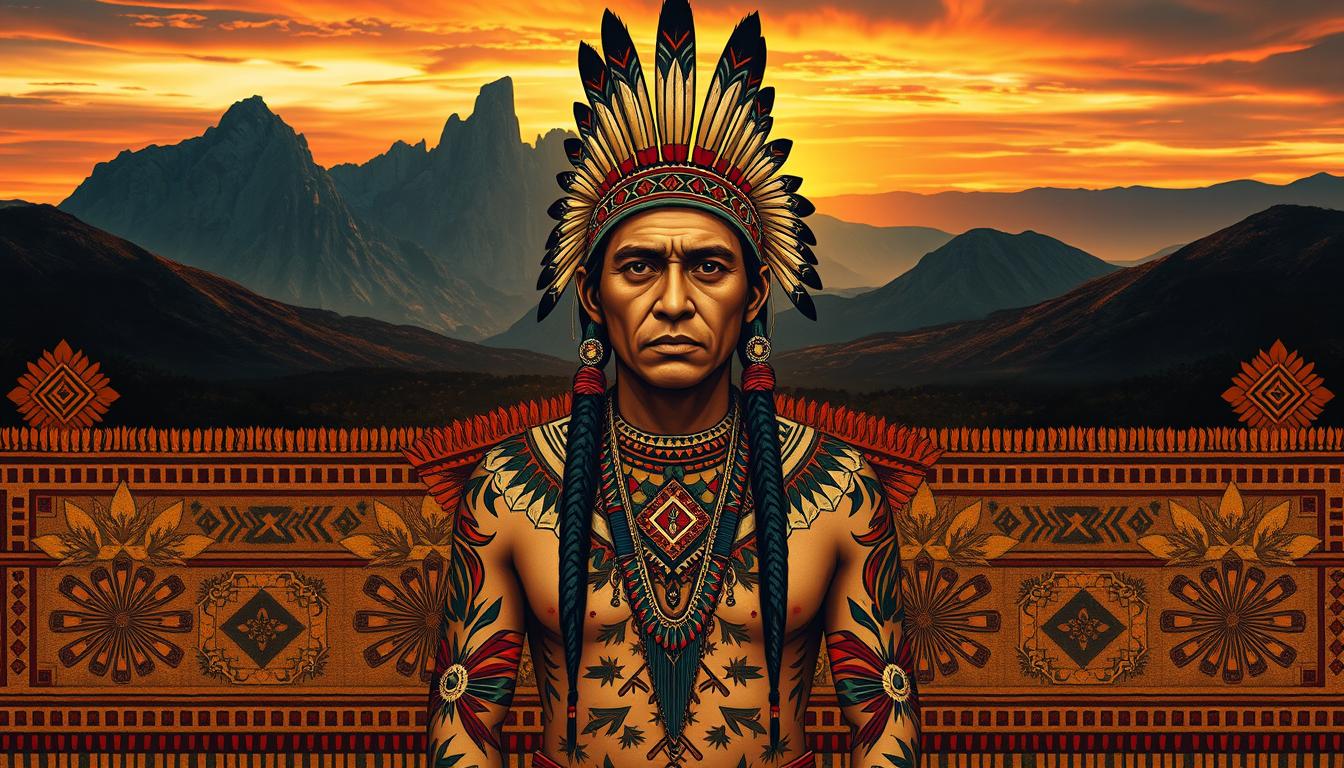
Native American tribes have a rich tattoo tradition. Each tribe has its own style and symbolism. Tattoos hold deep spiritual and ceremonial meaning. For example, facial tattoos show beauty and cultural identity, as seen in Aghtuqaayak’s work.
Native American tattoo traditions are diverse and full of meaning. They reflect the tribe’s history, myths, and values. Symbols like animals, plants, and patterns carry spiritual and cultural weight. Traditional tattoos, like those from Inupiat and Yupik, are gaining recognition.
Some notable examples of Native American tattoo traditions include:
- Plains Tribes’ body art meanings, which often symbolise spiritual and cultural identity
- Ceremonial tattoo practices, such as those found in the St. Lawrence Island tradition
- Contemporary Native American tattoo revival, which reflects a growing interest in preserving and promoting cultural heritage
In recent decades, traditional tattooing has seen a comeback among Native American communities. This revival is linked to preserving cultural tattoo traditions. It also highlights the importance of symbolic designs, showcasing Native American cultural heritage.
Japanese Irezumi: Art and Cultural Significance
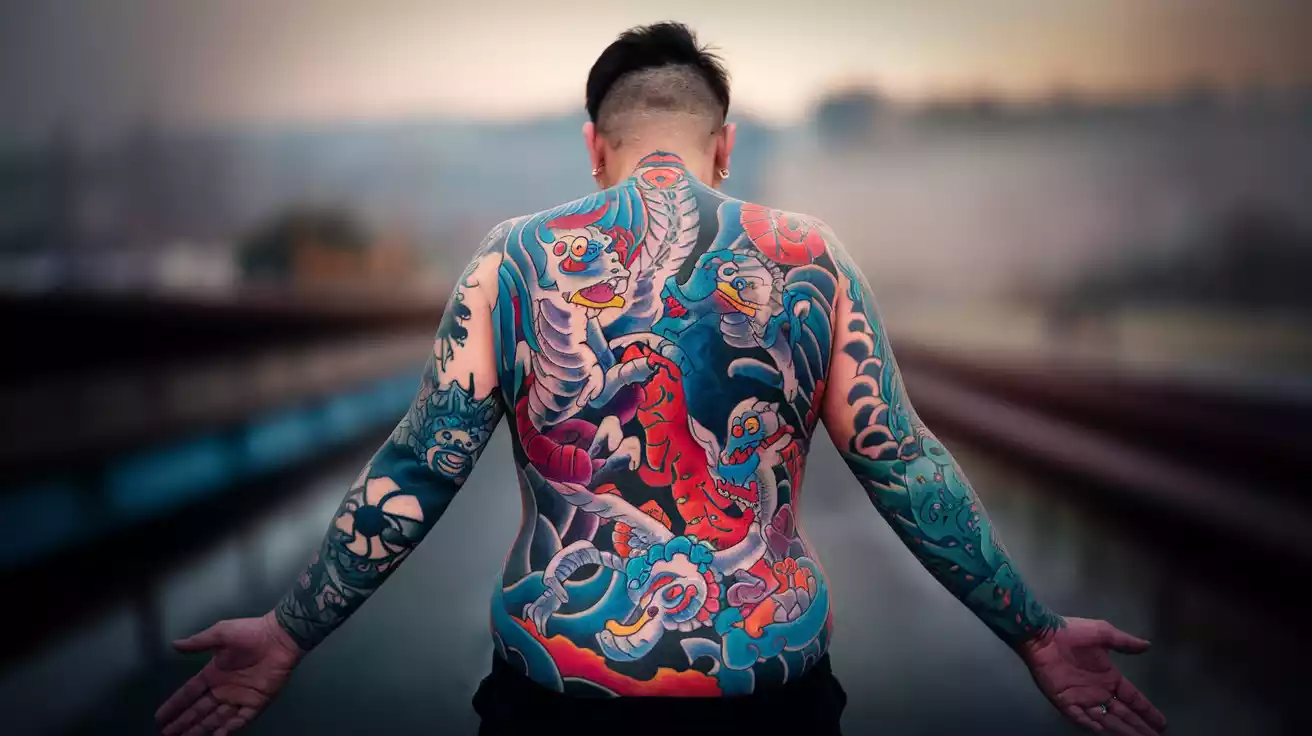
Japanese Irezumi, also known as traditional Japanese tattoos, hold a deep cultural significance and history. This art form is made by hand-poking designs into the skin with needles. The pigments used come from plants and minerals. Each design carries a unique symbolic meaning, passed down through generations.
In Japan, tattoos have a long history tied to the country’s folklore. They were once used to show social class and as marks for prisoners. But they have since become an art form, filled with intricate designs and meanings. The rise in popularity of Irezumi dragon tattoos has helped revive traditional Japanese tattooing.
Some common designs in Japanese Irezumi include:
- Koi fish, which symbolise perseverance and strength
- Dragons, which represent wisdom and power
- Cherry blossoms, which signify the transient nature of life
These designs are often mixed to create detailed and meaningful tattoos. They reflect the deep cultural value of tattoos in Japan.
Tattoos hold cultural significance worldwide, showing the diversity and richness of human culture. Studying tattoo symbolism can offer insights into different societies’ histories and traditions. Exploring Japanese Irezumi helps us understand the cultural importance of tattoos and how they shape our identities.
| Tattoo Design | Symbolsim |
|---|---|
| Koi Fish | Perseverance and Strength |
| Dragon | Wisdom and Power |
| Cherry Blossom | Transient Nature of Life |
Celtic and Nordic Tattoo Symbolism
Celtic and Nordic cultures have a deep history in tattooing. They have their own styles and symbols that show their unique cultures. Tattoos in these cultures hold spiritual and social meanings, which is really interesting. Celtic tattoos often have intricate knotwork, showing connection and forever.
Celtic symbols like the Celtic Cross mix Christianity with Celtic heritage. The Triquetra, or trinity knot, stands for the three parts of life. Nordic tattoos, by contrast, often use runes. These are magical symbols believed to have power.
Today, tattoo artists mix Celtic and Nordic styles to create new designs. The history and meaning behind Celtic and Nordic tattoos are complex. They show the deep cultural significance of these designs. Knowing about these tattoos helps people understand their cultural roots and make better choices for their tattoos.
The Sacred Art of Thai Sak Yant Tattoos
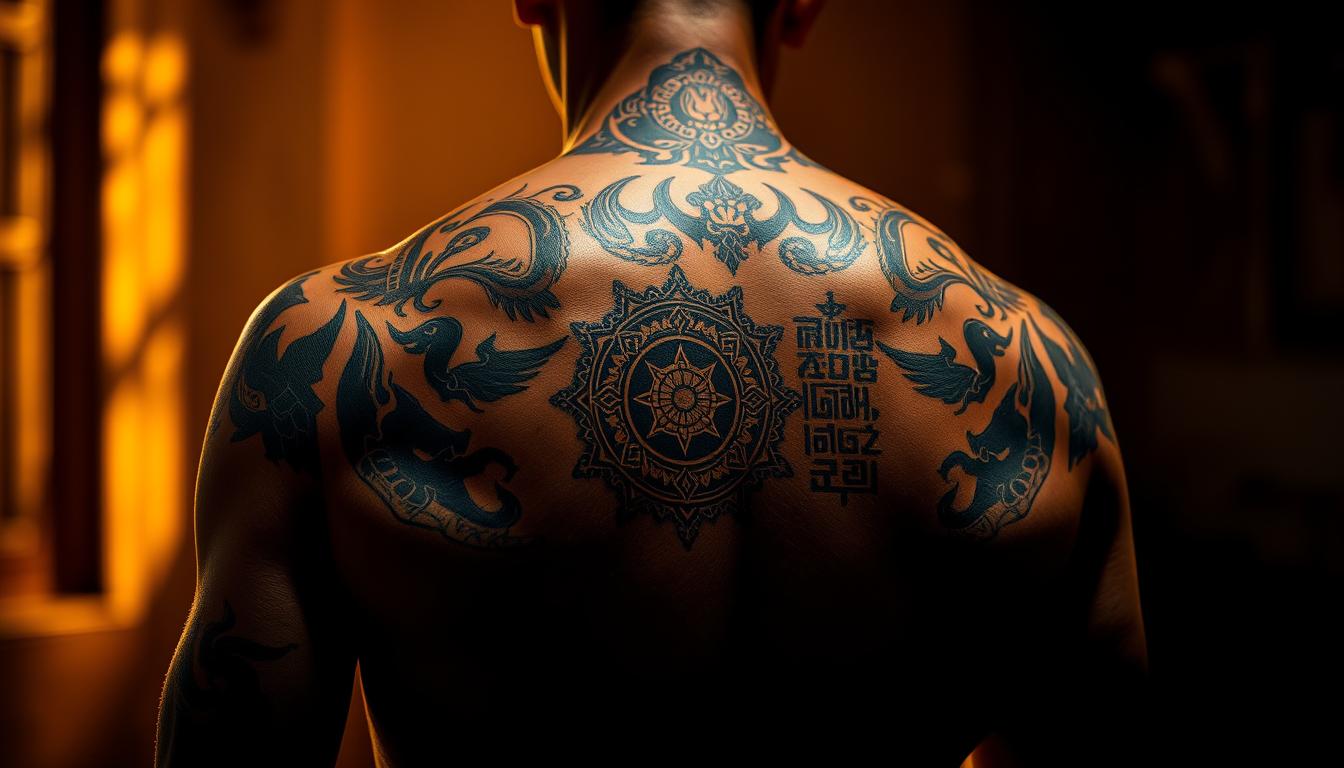
Thai Sak Yant tattoos have a long history and cultural significance in Thailand. They come in different styles and designs, each with its own indigenous tattoo meanings. These tattoos are deeply rooted in Thai traditions, used in both spiritual and social practices.
There are over 300 Sak Yant designs documented, showing the rich diversity of symbolic tattoo designs in Thai culture.
Popular designs include the Hah Taew, Gao Yord, and Paed Tidt. Each design has its own cultural significance of tattoos and meaning. The Hah Taew design, for example, has 5 vertical lines of traditional text. It is believed to offer protection and good fortune.
The Gao Yord design has 9 spires, each representing a chant or spell. It is often placed around the neck, chest, or top of the back.
The practice of Sak Yant tattooing is influenced by Buddhism and Hinduism. It focuses on the symbolic tattoo designs and their spiritual meanings. Most Sak Yant tattoos are done in temples, but some are done outside of this setting.
Some modern places offering Sak Yant tattoos may not have the traditional training. This could lead to a loss of the tattoos’ intended indigenous tattoo meanings.
In conclusion, Thai Sak Yant tattoos hold a unique and meaningful place in the cultural significance of tattoos. They have a rich history and a wide range of symbolic tattoo designs. By understanding their indigenous tattoo meanings and cultural context, we can truly appreciate their significance and beauty.
African Tribal Scarification and Tattoo Culture
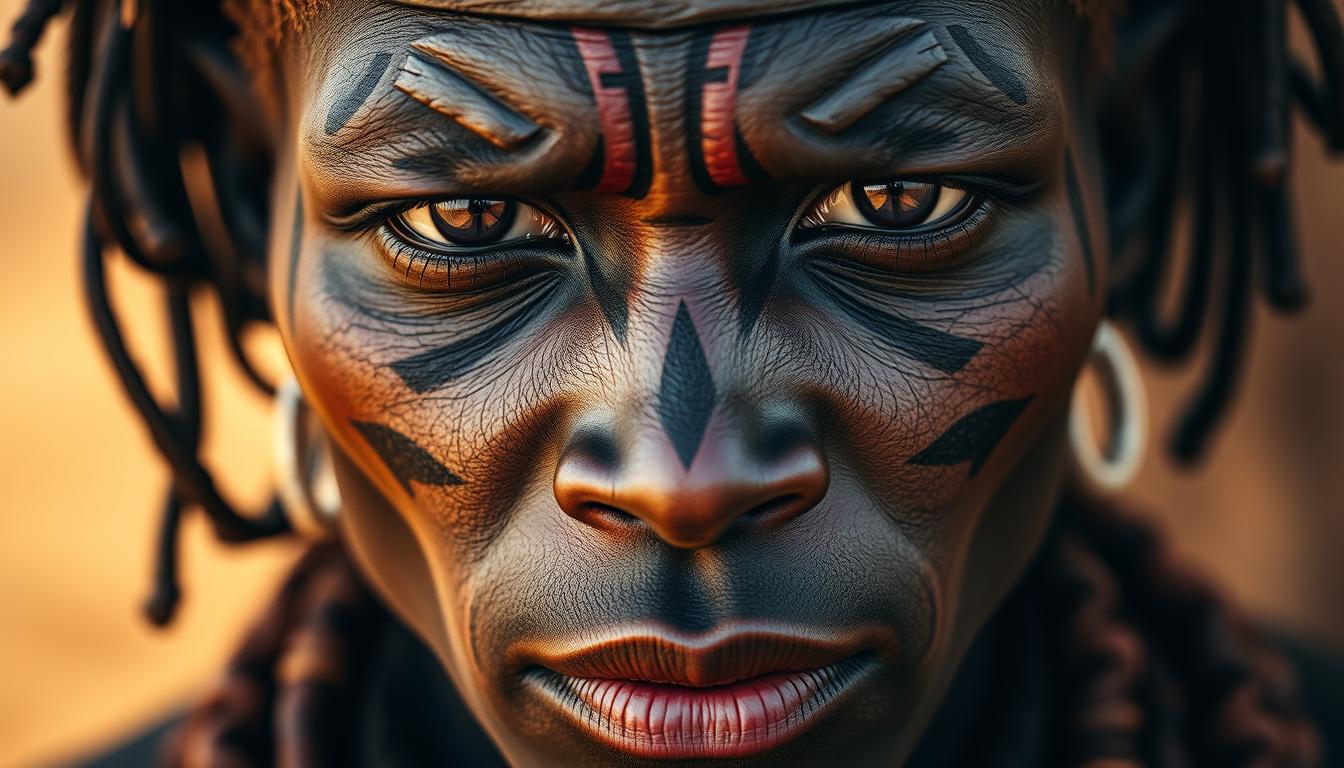
African cultures have a rich tradition of body art, including scarification and tattooing. These are key parts of their cultural tattoo traditions. We will look at the different styles and meanings of African body art, including regional variations and traditional designs.
In some African tribes, scarification marks showed who someone was in society. They showed rank, family, clan, and tribe. These marks were once a sign of pride, not shame, unlike today.
Scarification and tattooing in Africa have deep cultural roots. For example, facial scarification in West Africa marked ethnic groups, family lines, and individual identity. Scars were also seen as beautiful and a sign of strength, like in women during childbirth.
There are many regional differences in African body art. In Ghana, tribal markings grew more common after enslaving raids in the 17th century CE. The Yoruba people of Nigeria use scarification to show identity and lineage, with different marks for different traits. The Maasai people of East Africa use body painting with ochre to show strength, beauty, and bravery, which is key to their identity.
In conclusion, African tribal scarification and tattoo culture are complex and rich. They reflect a deep cultural heritage and historical importance. By looking at the cultural context of African body art, we can understand the cultural tattoo traditions and historical meanings behind these practices.
Cultural Appropriation vs. Appreciation in Tattoo Art
Before getting a tattoo, it’s key to grasp the cultural importance of tattoos. Tattoos mean different things in various cultures. For example, indigenous tattoos carry deep spiritual and cultural value. Getting one without understanding or permission can be seen as a big disrespect.
Symbolic tattoos, like those from Japanese and Native American cultures, hold great cultural value. It’s important to approach these designs with care and knowledge of their cultural background. Kanahus Manuel points out that indigenous tattoos are a form of activism and a way to reclaim their culture. This shows how vital it is to respect these sacred symbols.
Guidelines for choosing tattoos from other cultures include:
- Researching the cultural significance of the design
- Consulting with members of the culture
- Ensuring that the tattoo is not being used as a fashion statement
- Being mindful of power dynamics and cultural sensitivity
By being thoughtful and informed, people can help promote cultural appreciation and respect for tattoos.
Modern Interpretations of Cultural Tattoo Designs
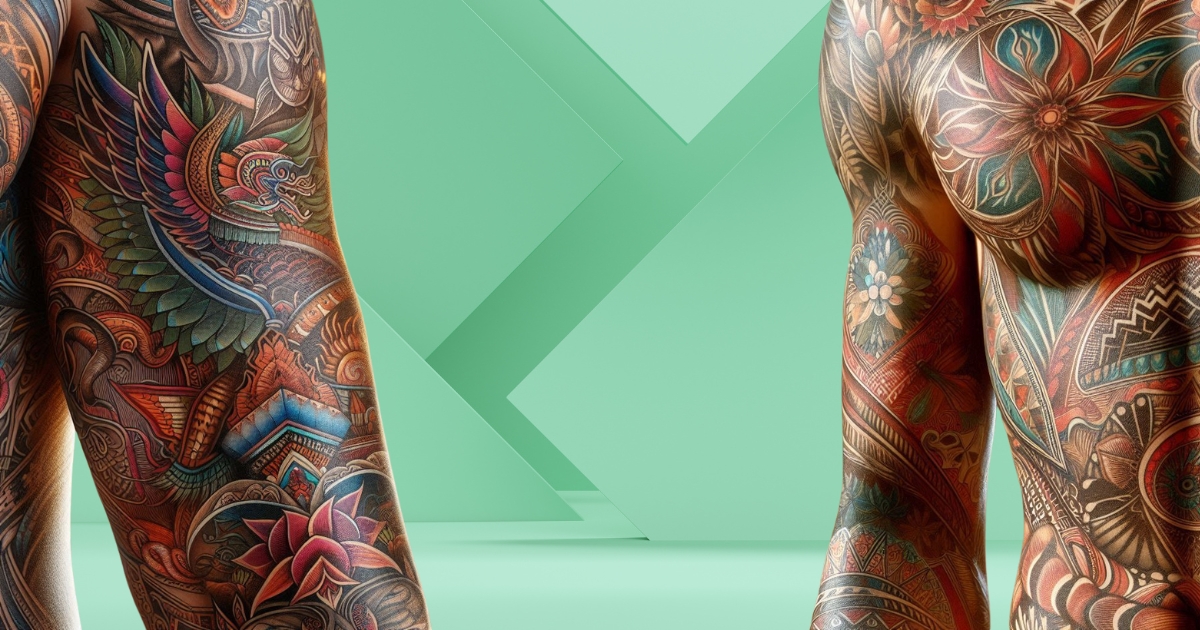
Exploring tattoos, you’ll see cultural traditions being reimagined in modern art. Tattoos are now about self-expression and identity. Many choose designs that show their values and beliefs. Tattoos are becoming more popular, with more people getting them.
Polynesian tattoos, like “tatau” or “moko,” come from Samoa, Tonga, and New Zealand’s Maori. These designs blend with modern techniques, creating unique tattoos. People are also using tattoos to show their cultural heritage and identity.
Japanese Irezumi tattoos feature symbols like dragons and koi fish, representing wisdom and beauty. Celtic tattoos are known for their intricate designs and symbols like the Trinity Knot. These tattoos are not just beautiful but also carry deep cultural meaning.
In conclusion, modern tattoos reflect the changing world of tattoo art. When getting a tattoo, choose a design that shows your values and beliefs. Experiment with different styles to create a tattoo that’s meaningful and looks great.
Preserving Traditional Tattoo Practices in the Modern World
Exploring tattoos reveals their deep cultural value. Tattoos carry meanings from indigenous cultures and symbolise important values. These practices have a long history, dating back thousands of years to ancient Egypt, China, and Japan.
In many cultures, tattoos tell stories of spiritual beliefs, family history, and achievements. They are key to understanding cultural identity.
Cultural tattoo artists play a vital role in keeping these traditions alive. They teach their skills to the next generation. This ensures the continuation of these practices.
In Polynesian cultures, tattoos mark important life stages. Over 80% of people get tattoos to show their lineage and accomplishments. Documenting these ancient techniques helps us appreciate their cultural value.
Here are ways to help preserve traditional tattoo practices:
- Supporting cultural tattoo artists and their work
- Learning about the cultural significance of traditional tattoos
- Respecting the cultural heritage and symbolism behind traditional tattoos
Preserving traditional tattoos is crucial for cultural heritage and identity. It’s important to respect and appreciate their cultural significance. When considering a tattoo, learn about its cultural background and support artists who keep these traditions alive.
Transform Cultural Symbolism into Stunning Body Art ✨
Love the cultural tattoos you just read about? Don’t just admire them—wear them!
The legendary artists behind Miami Ink have curated 5,000+ authentic, culturally inspired designs—from sacred Maori patterns to intricate Japanese irezumi and bold Polynesian motifs.
For a limited time, unlock exclusive access to:
✅ Historically Accurate Designs (vetted by cultural experts!)
✅ Customizable Templates to personalise your ink
✅ VIP Guides on placement, sizing, and symbolic meanings
✅ **7-Day Trial for 1∗∗(thenjust1∗∗(thenjust9.95/month—cancel anytime)
👉 CLAIM YOUR $1 TRIAL & BROWSE DESIGNS NOW
The Role of Cultural Tattoos in Identity and Community
Cultural tattoos deeply impact our sense of self and community. They are more than just designs; they are a way to express who we are. Each style, from Māori tā moko to Yantra tattoos, tells a story of history, beliefs, and culture.
These tattoos mark important life events and social status. In Polynesian and Native American cultures, they show family ties and tribal connections. They celebrate individuality and strengthen community bonds, creating a sense of pride and belonging.
The tattoo world is changing, with a focus on keeping traditional methods alive. Artists and fans are learning about the deep meanings behind these tattoos. This knowledge helps ensure these stories are respected and cherished.
Cultural tattoos show the strength of self-expression and community. They can help you connect with your heritage and celebrate its richness.
In summary, cultural tattoos are more than just art; they are symbols of identity, community, and cultural preservation. By embracing these tattoos, you start a journey of self-discovery and cultural appreciation.
FAQ
What is the significance of cultural tattoos?
Cultural tattoos carry deep meanings, showing the history and beliefs of various societies. They reflect the traditions of different cultures. Understanding these tattoos helps us appreciate their true significance.
What are the ancient origins of tattoo practices?
Tattoos have been around for ages, found in ancient cultures like Egypt, Greece, and Rome. Learning about their history helps us see the value of this art form.
What is the significance of Polynesian tattoo symbolism?
Polynesian tattoos are deeply spiritual and social. They represent different parts of Polynesian identity and traditions. Each style and design has its own meaning.
How have Native American tribal tattoo traditions evolved?
Native American tattoos have a rich history, including ceremonial rituals. Today, these traditions are being revived, keeping their cultural and spiritual value alive.
What is the cultural significance of Japanese Irezumi tattoos?
Japanese Irezumi tattoos are highly valued, with deep cultural and spiritual meanings. They are rooted in Japanese history and traditions.
What is the symbolism behind Celtic and Nordic tattoos?
Celtic and Nordic tattoos come from ancient beliefs. They represent various aspects of these cultures, like spiritual meanings and traditions.
What is the cultural significance of Thai Sak Yant tattoos?
Sak Yant tattoos are sacred in Thai culture. They have spiritual and protective meanings, important to Thai beliefs and practices.
How do African tribal scarification and tattoo cultures differ across regions?
African tribal body art varies across regions. Each has unique meanings and cultural contexts, showing the diversity of African traditions.
How can we respect cultural tattoo traditions while avoiding cultural appropriation?
We must be careful with tattoo art to avoid cultural appropriation. It’s important to respect the sacred meanings and traditions of different cultures. We should also guide on making cross-cultural tattoo choices.
How are modern tattoo artists reinterpreting traditional cultural designs?
Modern tattoo artists are honouring traditional styles while adding their own twist. They blend historical symbolism with modern art, respecting the original cultural context.
What efforts are being made to preserve traditional tattoo practices?
Efforts are underway to keep traditional tattoo practices alive. This includes documenting ancient techniques and supporting cultural tattoo artists. It’s crucial for maintaining the authenticity of these art forms today.


Pingback: Minimalist Zodiac Tattoos: Subtle Designs Every Woman Should Consider in 2025