Skull tattoos have become a popular way to express oneself around the world. They come in many designs and meanings, from Mexico’s Día de los Muertos to Japan’s Irezumi art. These tattoos have a deep history and importance.
Exploring skull tattoos reveals unique meanings in different cultures. You might be interested in Mexico’s bold designs or Japan’s detailed tattoos. Knowing the cultural background makes these designs even more special.
Key Takeaways
- Skull tattoos have diverse meanings across cultures, from celebration to spirituality.
- Mexican and Japanese cultures have distinct interpretations of skull tattoos.
- Understanding the cultural context can enhance your appreciation of skull tattoo designs.
- Skull tattoos can be a meaningful form of self-expression and personal identity.
- The symbolism behind skull tattoos varies significantly across different societies.
The Universal Symbolism of Skull Imagery
Skull tattoos carry deep meanings from many cultures. They symbolise death, mortality, and the supernatural. Exploring cultural skull tattoos reveals their rich and varied interpretations.
Beyond Death: What Skulls Represent Across Cultures
Skulls are more than just symbols of death. They also stand for transformation, renewal, and spiritual growth. In ancient times, skulls were seen as powerful against evil spirits.
“Skulls are a symbol of the transience of life, reminding us to live in the present.” This quote shows the deep meaning of skull symbolism. It teaches us to make the most of our lives.
The Evolution of Skull Tattoos Throughout History
The history of skull tattoos is fascinating and complex. It has been shaped by many cultures. Let’s look at two key parts of this history:
Ancient Tribal Origins
In ancient tribes, skulls were used in rituals and as symbols of status or spirituality. For example, some Native American tribes believed skulls held sacred power.
Military and Maritime Traditions
Skull imagery was also common in military and maritime traditions. In naval cultures, skulls symbolised bravery or experience with danger. This history adds to the symbolism of skull tattoos, showing their link to courage and resilience.
When thinking about a cultural skull tattoo, knowing its history and meaning is important. It lets you choose a tattoo that’s not just beautiful but also carries deep significance.
Mexican Calaveras: The Iconic Day of the Dead Skull
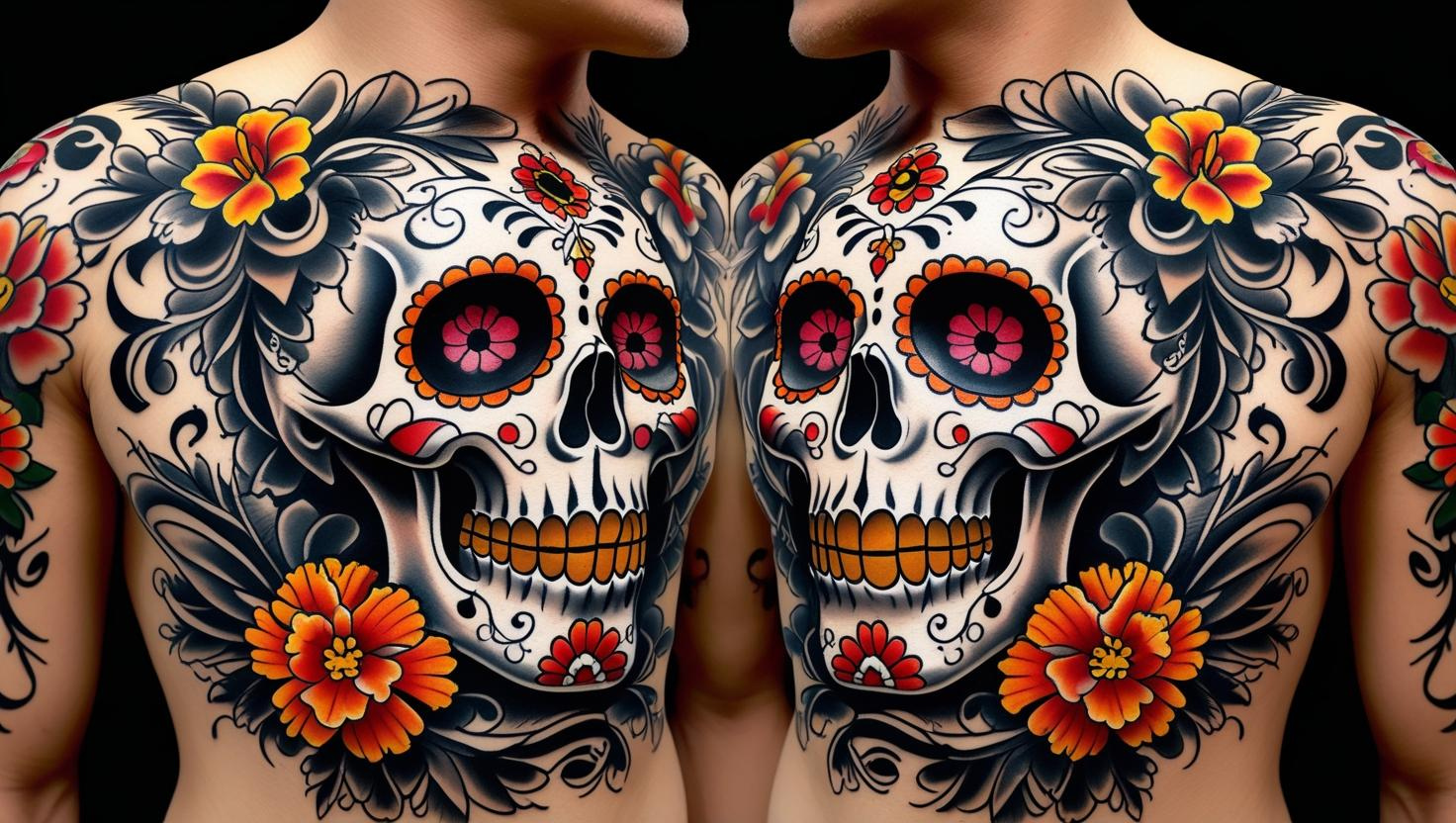
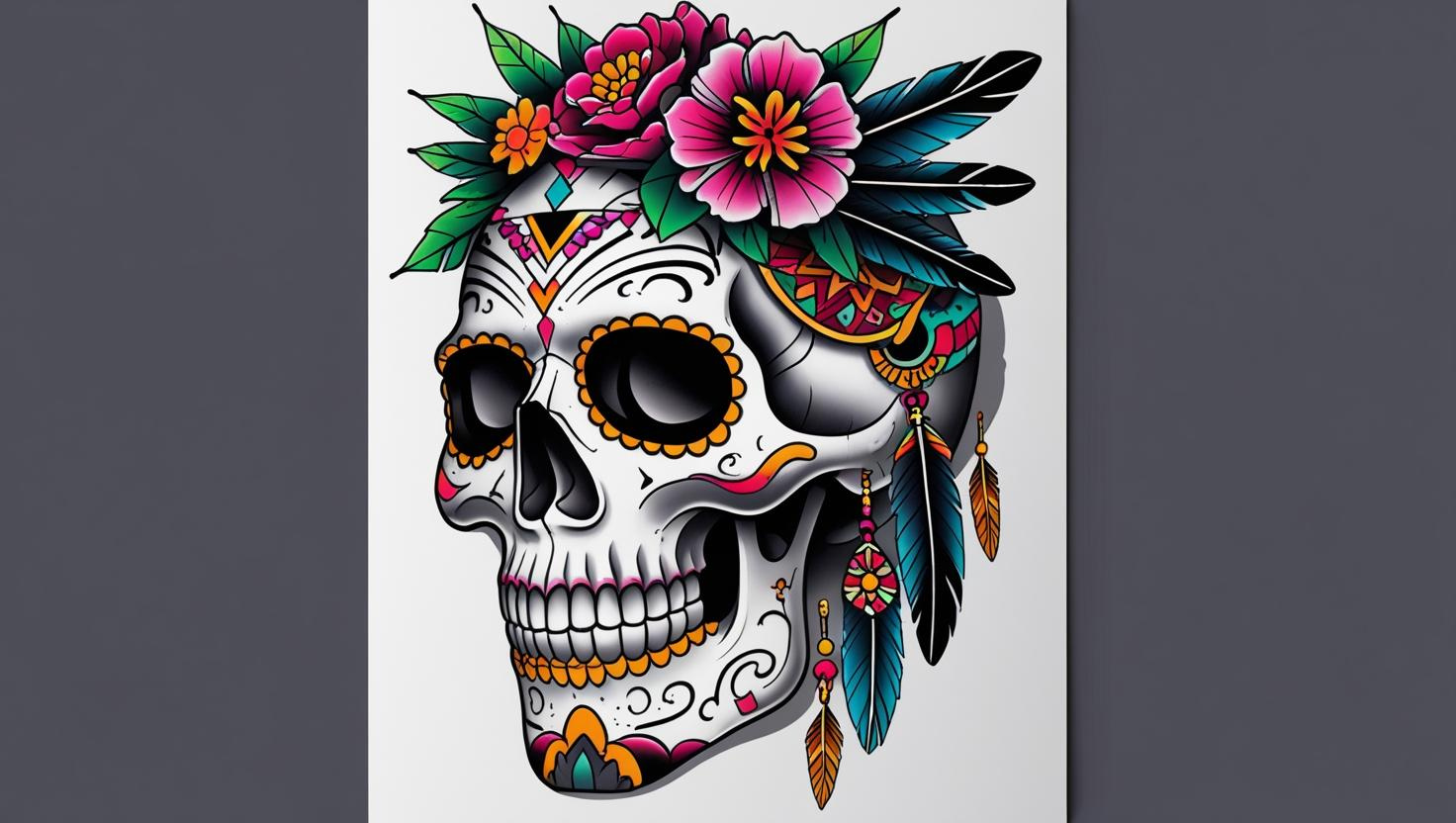
Mexican Calaveras, or sugar skulls, show the country’s deep cultural roots, mainly during the Day of the Dead. These colorful skulls are more than just decorations. They symbolise loved ones who have passed away and the cycle of life and death.
Origins and Significance of Sugar Skulls in Día de los Muertos
The tradition of sugar skulls started in the early 20th century in Mexico. They are made from sugar paste, decorated with foil, beads, and designs. These sugar skulls are placed on altars to honour the deceased during Día de los Muertos.
These skulls remind us that death is a natural part of life. They celebrate death as a transition to the afterlife, not something to fear.
Traditional Design Elements and Their Meanings
Traditional Mexican Calaveras have special designs that mean a lot.
Floral Patterns and Color Symbolism
Floral patterns on sugar skulls symbolise life’s beauty and fragility. Colors like pink and white mean purity. Bright colors like red and orange celebrate life.
Personalization Elements
Many skulls have the names of the deceased on them. This makes the skull a personal tribute, showing respect and love.
Modern Interpretations of Mexican Skull Tattoos
Modern tattoo art has been influenced by Mexican Calaveras. People now wear these symbolic skulls as tattoos. These skull tattoos show cultural appreciation and personal beliefs.
Getting a Mexican skull tattoo means understanding its cultural value. This ensures your tattoo is meaningful and respectful.
- Research the cultural significance of the design
- Choose a design that resonates with your personal beliefs
- Work with a tattoo artist who understands the cultural context
By embracing Mexican Calaveras, you can appreciate their rich symbolism. This is true whether as a tattoo or during Day of the Dead celebrations.
Japanese Skull Tattoo Traditions
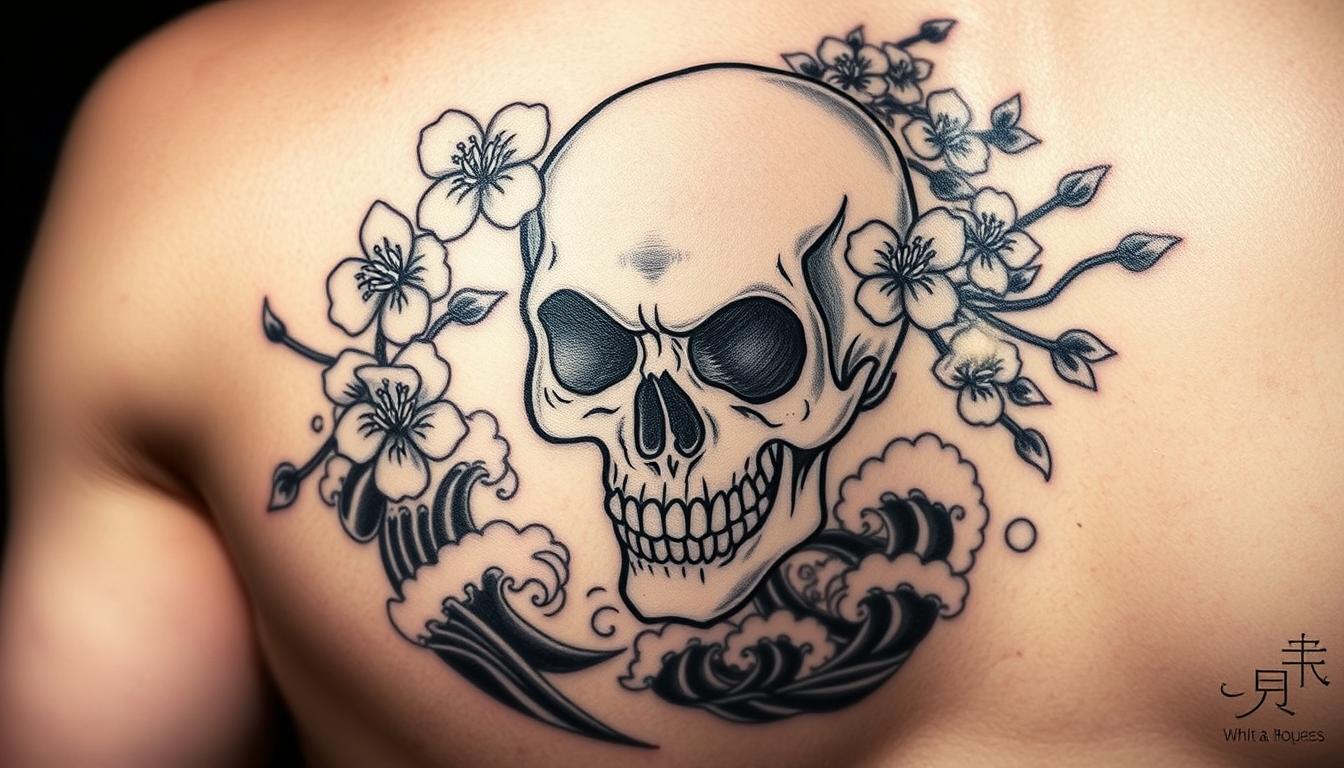
In Japan, skull tattoos are more than just a trend. They hold deep cultural and historical significance. Japanese tattoo art, known as Irezumi, features skull motifs with unique meanings.
Namakubi: The Severed Head Motif in Japanese Art
Namakubi, or severed head, symbolises sacrifice and life’s fleeting nature. It’s linked to samurai culture and Japan’s feudal era.
Yokai and Supernatural Skull Imagery
Yokai are supernatural beings from Japanese folklore, often depicted as skulls or skeletons. They represent the mysterious and unknown.
Irezumi Techniques and Traditional Application Methods
Irezumi is Japan’s traditional tattooing technique, with methods passed down through generations. It includes the Tebori hand-poked method and specific color palettes and shading styles.
Tebori Hand-Poked Method
The Tebori method uses a needle on a stick to manually poke ink into the skin. It’s prized for its precision and personal touch.
Color Palettes and Shading Styles
Traditional Japanese tattoos feature bold black outlines and vibrant colors. Shading uses subtle color gradations for depth and dimension.
| Technique | Description | Characteristics |
|---|---|---|
| Tebori | Hand-poked method using a needle on a stick | Precision, personal touch |
| Irezumi | Traditional Japanese tattooing | Intricate designs, bold black outlines |
| Color Palettes | Vibrant colors used in traditional Japanese tattoos | Bold, vibrant, subtle gradations |
Japanese skull tattoos showcase the country’s rich cultural heritage and its impact on modern tattoo art. Understanding their historical and cultural context reveals the profound meaning behind each design.
European Memento Mori and Vanitas Skull Designs
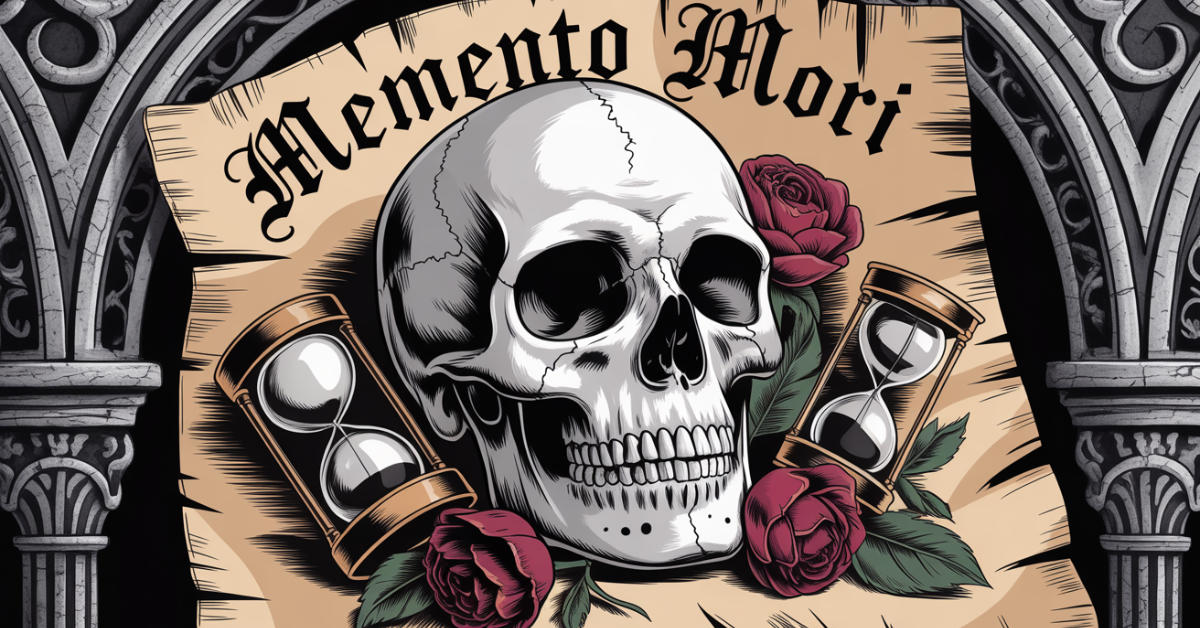
European cultures have always been drawn to skull symbolism, mainly in Memento Mori and Vanitas art. These movements, from the 16th to 17th centuries, used skulls to show life’s fleeting nature and death’s certainty.
Victorian Death Culture and Skull Symbolism
In the Victorian era, skull imagery became popular again, in mourning jewellery and funerary art. Skulls symbolised love and loss, appearing in detailed mourning rings and brooches.
Nautical and Pirate Skull Tattoo Traditions
Pirate culture has greatly influenced skull tattoo traditions. The Jolly Roger, with its skull and crossbones, is a symbol of piracy and defiance.
The Jolly Roger and Maritime Meanings
The Jolly Roger was used by pirate ships to scare off enemies. Its skull and crossbones warned of death and danger, signalling to those who dared to cross pirate paths.
Gothic and Occult Skull Imagery
Gothic and occult traditions also use skull imagery, often for its association with death and the supernatural. Today, these symbols are part of tattoo art, showing a fascination with the mysterious and unknown.
| Symbolism | Cultural Context | Tattoo Meaning |
|---|---|---|
| Memento Mori | European art movement | Remembrance of mortality |
| Vanitas | 17th-century art | Transience of life |
| Jolly Roger | Pirate culture | Rebellion, danger |
These varied cultural influences have shaped skull tattoo symbolism, offering a rich mix of meanings. Skull tattoos, from Memento Mori to pirate and Gothic traditions, continue to fascinate those who want to express their views on mortality and the human experience.
Tibetan and Hindu Skull Imagery
Tibetan and Hindu cultures have unique views on death and spirituality. They use skulls in rituals and as symbols. This shows their deep understanding of life’s fleeting nature.
Kapala: The Ritual Skull Cup Symbolism
The Kapala, or ritual skull cup, is key in Tibetan Buddhism. It symbolises life’s shortness. Used in meditation and rituals, it helps understand death better.
Kali and Death Deity Representations
Kali, a Hindu goddess, is linked to skulls. She’s shown as fierce, with a garland of skulls. This shows her power over time and change.
Tibetan Citipati “Dancing Skeletons” Motifs
Tibetan Citipati, or “dancing skeletons,” symbolise life’s shortness. They remind us of death’s inevitability. Seen in Tibetan art, they highlight life’s fleeting nature.
Exploring skull imagery in Tibetan and Hindu cultures reveals their traditions’ depth. Skulls are crucial in their spiritual practices and beliefs.
Cultural Skull Tattoo Meanings Across Different Societies
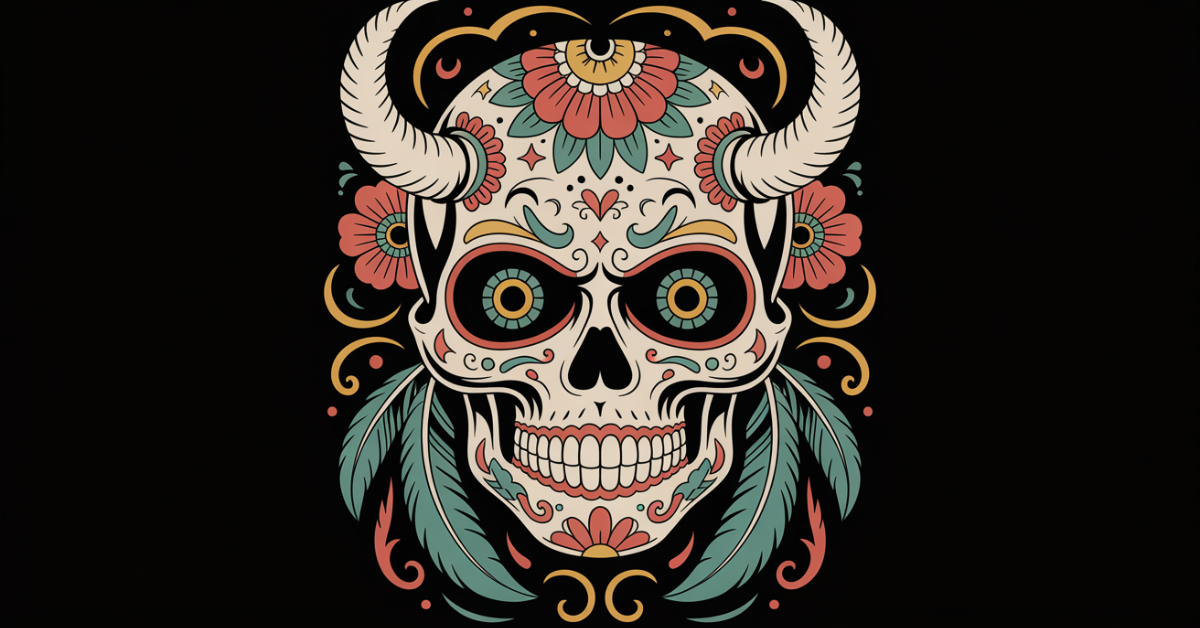
Skull tattoos carry deep meanings in various cultures. Each society views them differently, based on its history, beliefs, and values. Exploring these tattoos reveals a rich mix of interpretations across cultures.
Celebration vs. Mourning: Contrasting Interpretations
In some places, skull tattoos celebrate the dead. In others, they mark mourning and loss. For example, in Mexico, they’re part of the Day of the Dead, honouring loved ones with joy. Yet, in some Asian cultures, skulls are seen as bad luck, tied to mourning.
Spiritual and Religious Significance
Skull tattoos also hold spiritual and religious value. In Tibetan Buddhism, they symbolise life’s fleeting nature. In Hindu traditions, they’re linked to deities, used in meditation and spiritual practices.
Protection and Power Symbolism
Skull tattoos are also symbols of protection and power. This is seen in many cultures and mythologies.
Warding Off Evil
In some cultures, skulls protect against evil spirits. For example, in African and Asian traditions, they’re part of charms and talismans to keep harm away.
Embracing Mortality
Skull tattoos also remind us of our mortality. They encourage living life to the fullest. This view is widespread, with skulls as a memento mori, or a reminder.
| Culture | Skull Tattoo Meaning | Symbolism |
|---|---|---|
| Mexican | Celebration of the dead | Remembrance and honor |
| Tibetan Buddhist | Spiritual significance | Transience of life |
| African/Asian | Protection | Warding off evil |
Before getting a cultural skull tattoo, understand its meanings and significance. This knowledge helps choose a design that respects its cultural roots and personal meaning.
Contemporary Fusion and Cross-Cultural Skull Designs
Skull tattoos now show off cultural mix, blending old symbols with new art. Tattoo lovers and artists are excited about fresh designs. These mix traditional styles from many cultures.
Blending Traditional Elements from Multiple Cultures
Skull tattoos now mix different cultures in unique ways. For example, Mexican calaveras meet Japanese irezumi in a striking look. This mix respects old tattoo meanings while exploring new art.
Neo-Traditional and New School Approaches
Neo-traditional and new school styles open up skull tattoo designs. They use bright colors, abstract shapes, and surreal themes. This gives a new twist to traditional skull art.
Digital Age Influences on Cultural Skull Tattoo Trends
The digital world has changed skull tattoo designs. Social media and online groups share and find new tattoo art. Global tattoo conventions also help artists and fans share ideas.
Social Media Impact
Social media has changed how we see tattoo art. Instagram lets artists show their work worldwide, shaping trends. It’s fast and easy to find and share tattoo art, mixing cultures quickly.
Global Tattoo Conventions
Global tattoo conventions bring artists and fans together. They’re a place for cultural sharing, with artists showing their work. These events drive the mix of cultural skull tattoo designs.
Choosing and Personalising Your Cultural Skull Tattoo
Creating a personalised skull tattoo design can be rewarding. It’s important to respect the cultural origins and avoid appropriation when choosing.
Respecting Cultural Origins and Avoiding Appropriation
To avoid cultural appropriation, research the cultural significance of the skull imagery. Understand the historical context and traditional meanings. This helps you appreciate the cultural heritage and make informed decisions.
Popular Placement Options and Size Considerations
The placement and size of your tattoo greatly impact its look. Popular spots include the arm, back, and chest. Think about the design’s size and how it will look on your body.
A larger design might fit better on the back or sleeve. Smaller designs can look great on the arm or shoulder.
Working with Artists Specialised in Cultural Designs
For a unique and meaningful tattoo, work with an artist who specialises in cultural designs. They can help you through the research and consultation process. This ensures your tattoo respects the cultural origins.
Research and Consultation Process
Your artist will help you understand your vision and preferences. They’ll guide you through different design elements. This ensures your tattoo is personal and culturally sensitive.
Customization Elements
Customisation can include personal symbols, colors, or patterns. Your artist can add these while keeping the cultural integrity of the design.
By researching, consulting, and working with a skilled artist, you can create a tattoo that reflects your style. It also honours the cultural heritage of the design.
🔥 Ready to Find Your Perfect Skull Tattoo Design? 🔥
Stop wasting time scrolling random images—unlock the world’s largest tattoo gallery trusted by 45,000+ members worldwide!
With Miami Ink Tattoo Designs, you’ll get:
- 🎨 30,000+ Professional Tattoo Designs (Skull, Tribal, Cultural & More!)
- 📂 60+ Categories – easy to explore & pin your favorites
- ✒️ 165 Exclusive Tattoo Fonts & Lettering Styles
- 🎥 60+ Hours of Tattoo Videos & tutorials for inspiration
- 📚 Rare Tattoo Library with hidden gems like Tattoo Bible & Dragon Fever
✨ Whether you’re after bold cultural skull ink or subtle fine-line art—your dream design is waiting!
👉 Click Here to Unlock Unlimited Tattoo Inspiration Today!
Conclusion: The Enduring Appeal of Skull Tattoos Across Cultures
Skull tattoos are loved by people all over the world. They show their deep meaning and personal charm. You’ve seen how different cultures view skull tattoos, showing their wide appeal and deep symbolism.
The meanings of skull tattoos vary, from Mexican Calaveras to Japanese Namakubi. Each one shows the rich and varied world of skull tattoos. They reflect the culture and values of the person who gets them.
Tattoo art keeps changing, and skull tattoos are no exception. The mix of cultures in these tattoos will keep making them interesting. By learning about their origins, we can see the beauty and history behind skull tattoos.
FAQ
What is the significance of sugar skulls in Mexican culture?
Sugar skulls, or Calaveras, are a key part of the Day of the Dead (Día de los Muertos). They represent loved ones who have passed away. They also symbolise the cycle of life and death.
What is the meaning of Namakubi in Japanese skull tattoo traditions?
Namakubi, or severed head, is a symbol in Japanese art. It often represents the supernatural or spiritual transformation.
How have European cultures used skull imagery in art and symbolism?
In Europe, skull imagery is linked to Memento Mori (remembering death) and Vanitas (the fleeting nature of life). This is seen in Victorian art and nautical traditions.
What is the significance of Kapala in Tibetan Buddhist practices?
Kapala, or ritual skull cup, is used in Tibetan Buddhism. It symbolises the fleeting nature of life and the impermanence of all things.
How do cultural influences impact the design of skull tattoos?
Cultural influences shape skull tattoo designs. Different cultures add their unique symbols, motifs, and styles. This leads to diverse and complex designs.
What are some popular placement options for cultural skull tattoos?
Skull tattoos are often placed on the arm, back, and chest. The size depends on the design and personal preference.
How can I ensure that my cultural skull tattoo is respectful and not culturally appropriative?
To avoid cultural appropriation, research the design’s cultural origins. Work with artists who specialise in cultural designs. Be aware of the cultural significance and symbolism of the tattoo.
What is the role of social media in shaping cultural skull tattoo trends?
Social media has greatly influenced cultural skull tattoo trends. It allows the global tattoo community to share and discover new designs. Artists also influence each other’s work.
How have traditional Japanese tattoo techniques, such as Tebori, influenced modern tattoo art?
Traditional Japanese tattoo techniques, like Tebori (hand-poked), have influenced modern tattoo art. Many artists use these methods and styles. This results in unique and intricate designs.