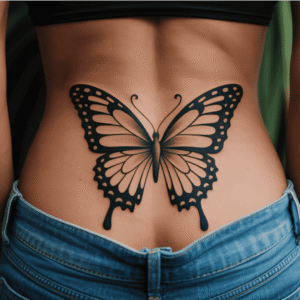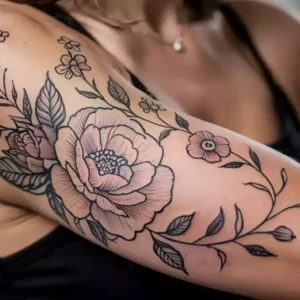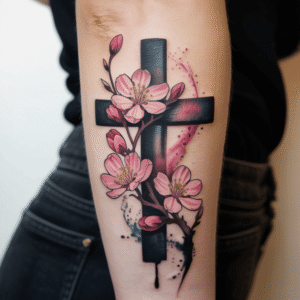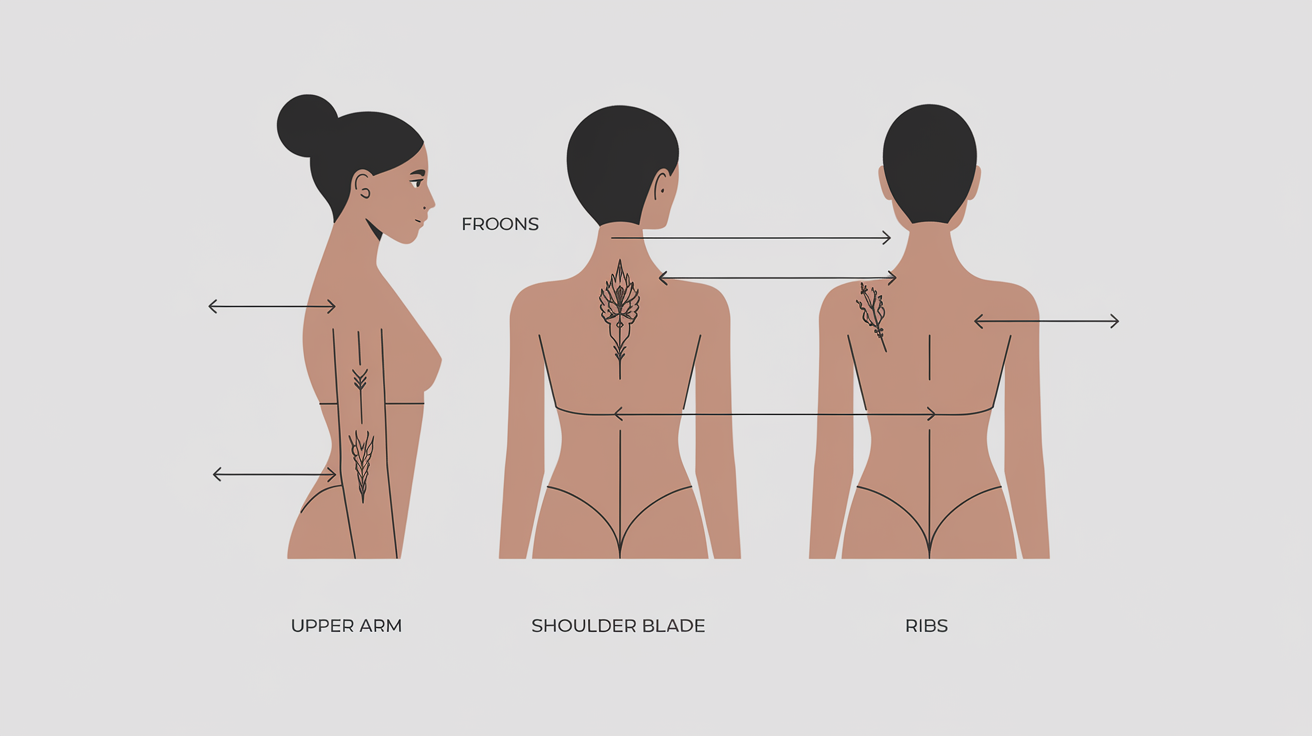
About 70% of first-time tattoo clients think about the pain level when picking a spot. It’s key to know the best spots for first-timers, like pain tolerance, skin type, and what you like. Choosing the right spot for your first tattoo is crucial. A tattoo guide can help you decide wisely. The spot you choose can change how your tattoo looks and how much it hurts.
Introduction to Tattoo Placement
When getting your first tattoo, think about the size, design, how visible it will be, and how much pain you can handle. A guide for first-timers can help with these choices. Remember, spots closer to the bone hurt more than areas with more fat. A good guide can offer insights and tips for making the best choice.
Key Takeaways
- Think about pain tolerance, skin type, and what you prefer when picking a spot
- Areas with thicker skin and muscle padding are better for tattoos
- A tattoo guide can help you make a good choice
- Talking to your tattoo artist is key to a great tattoo experience
- How much pain you feel can vary a lot, affecting your experience
- Finding the best spot for first-timers can help you pick wisely
- Keeping your tattoo moisturised and hydrated is important for healing
Understanding Tattoo Placement Basics
Choosing where to get a tattoo is a big decision. For beginners, picking a less painful spot is key. Places like the outer bicep or forearm are good because they have thicker skin and fewer nerves.
Jennifer Schloth, a board-certified dermatology PA, says tattoo placement affects pain. Thicker skin and fewer nerves mean less pain. Forearm tattoos are popular for first-timers because they’re versatile and not too painful. Ankle tattoos, on the other hand, are moderately painful due to their closeness to bones.
Here are some popular tattoo spots for beginners:
- Forearm: a versatile and relatively painless area
- Shoulder: a popular spot for circular or symmetrical designs, with relatively low pain levels
- Upper arm: a great spot for those who want a larger design, with minimal pain
When picking a tattoo spot, think about pain, visibility, and discretion. 60% of people prefer a spot that’s easy to hide for their first tattoo. Also, 50% of first-timers choose spots that avoid the sun to prevent fading.

Best Tattoo Placement for First-Timers: Top Recommendations
Choosing a tattoo spot for the first time is a big decision. Experts say areas like the arms or legs are great for beginners. These spots have thicker skin and fewer nerves, making them less painful. Angie Tufariello, a tattoo artist in Brooklyn, notes that these areas are more comfortable for first-timers.
Popular spots for first tattoos include the upper arms, forearms, thighs, and calves. These areas are known for being less painful. The upper back and shoulders are also favourites, with 34% of men opting for them. For women with long hair, the back of the neck is a discreet choice.
It’s key to think about pain levels when picking a spot. The wrist, for example, is very sensitive due to its nerve density. But the upper collarbone is considered one of the least painful spots. Researching and considering your options will help you choose the right spot for your first tattoo.
The best spot for your first tattoo depends on what you prefer and how much pain you can handle. Listening to experts and doing your homework will help you pick the perfect location. This way, you’ll follow the best advice for your first tattoo.
| Area | Pain Level | Popularity |
|---|---|---|
| Upper Arm | Low-Moderate | High |
| Forearm | Low-Moderate | Medium |
| Upper Back | Low | High |
Least Painful Spots for Your First Tattoo

When picking your first tattoo spot, think about the pain level. You’ll want a place that hurts less so you can enjoy the experience. Tips for beginners suggest areas with thicker skin and fewer nerves, like the outer bicep, forearm, calf, and upper back.
These spots are great for first-timers because they’re less painful. The outer bicep, for instance, has lots of skin and muscle, which helps dull the needle’s feel. The forearm and calf also have fewer nerves, making them more comfortable for tattoos.
The upper back is another good choice for beginners. It’s not too painful and can be covered if you need to. Remember, pick a spot that feels right for you, considering both pain and your lifestyle.
When choosing a tattoo spot, think about the skin’s thickness, nerve count, and fat and muscle in the area. Picking a spot with less pain ensures a better tattoo experience for you.
Areas to Avoid for Your First Tattoo Experience
When looking at a tattoo placement guide, it’s key to know which areas to steer clear of, mainly for beginners. The ribcage, feet, and hands are often more painful and can get infections easily. This makes them not the best choice for your first tattoo. It’s wise to avoid these spots to lessen pain and possible issues.
A good tattoo placement guide also considers healing. Tattoos usually take 4 to 6 weeks to fully heal. It’s important to stay out of the sun, avoid exercising, and not swim for at least 2 weeks after getting a tattoo. Picking the right spot for your tattoo can help avoid problems and make healing easier.
Some places, like the ribcage, are very sensitive and hurt more13. Tattoos on the feet also fade fast because of how quickly skin sheds there. Thinking about these points can help you pick a spot that’s right for you.
In the end, being well-prepared and knowing about tattoo placement can make your experience better. By avoiding trouble spots and choosing a beginner-friendly place, you can have a smooth and successful tattoo journey.
Size Considerations for Different Body Parts
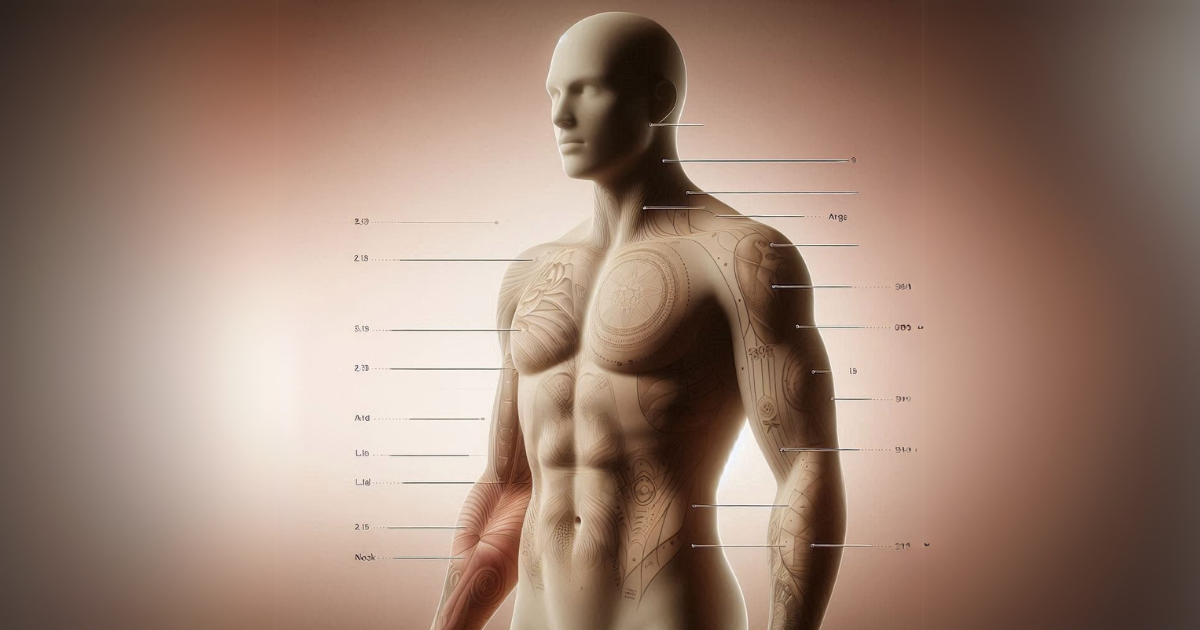
Choosing a tattoo placement means thinking about size. The size of a tattoo varies based on the body part and what you like. Small tattoos work well on the wrist or ankle. Medium and large tattoos are better for the back or legs.
Popular spots for first tattoos include the wrist, forearm, upper arm, ankle, shoulder, and back.
When picking a tattoo spot for the first time, size matters. The wrist is great for small, detailed designs and can be hidden with jewellery. The forearm is good for bigger designs, offering space for detailed work and easy hiding.
Here are some size considerations for different body parts:
- Small tattoos: wrist, ankle, behind the ear
- Medium tattoos: forearm, upper arm, shoulder
- Large tattoos: back, legs, chest
The size of a tattoo depends on your style and design choice. It’s important to pick a size that fits the body part and is designed well. This way, you get a tattoo that’s both beautiful and meaningful, lasting for years.

How Different Placements Age Over Time
When picking your first tattoo spot, think about how it will look later. You want it to stay bright and appealing for years. Avoid spots that get a lot of sun, as it can make the tattoo fade faster. Places with more fat, like thighs or upper arms, are less painful and might look better with age.
Upper arms and calves are good for beginners because they’re less painful and easier to hide. But feet and hands get a lot of wear, which can shorten your tattoo’s life. Also, remember that body changes like pregnancy or weight shifts can change how your tattoo looks.
For a tattoo that lasts, consider the upper back or inner arm. They get less sun and stretch. The outer forearm, thigh, and shoulder blade are also good because they’re less painful to get tattooed. By picking a spot that suits you, your tattoo will stay beautiful for a long time.
Workplace-Friendly Tattoo Locations
Thinking about getting a tattoo? It’s key to consider your workplace and tattoo visibility. Beginner-friendly tattoo placements are great because they’re easy to hide. The back, legs, or arms are top picks for keeping tattoos private. These spots are also good for first tattoos because they’re not too painful and can be covered up.
Popular spots for workplace tattoos include the upper back, shoulders, and the fleshy part of the calf. These areas are easy to hide and are less painful than spots like the ribs or ankles. Also, think about how your tattoo will heal in your work setting. Areas that touch surfaces or move a lot can get infected.
Choosing a workplace-friendly tattoo spot depends on your personal needs. Pick a spot that’s easy to hide and not too painful. This way, you can enjoy your tattoo while looking professional. Always do your research on tattoo risks and follow proper aftercare for safe healing.
Preparing for Your Tattoo Session Based on Placement
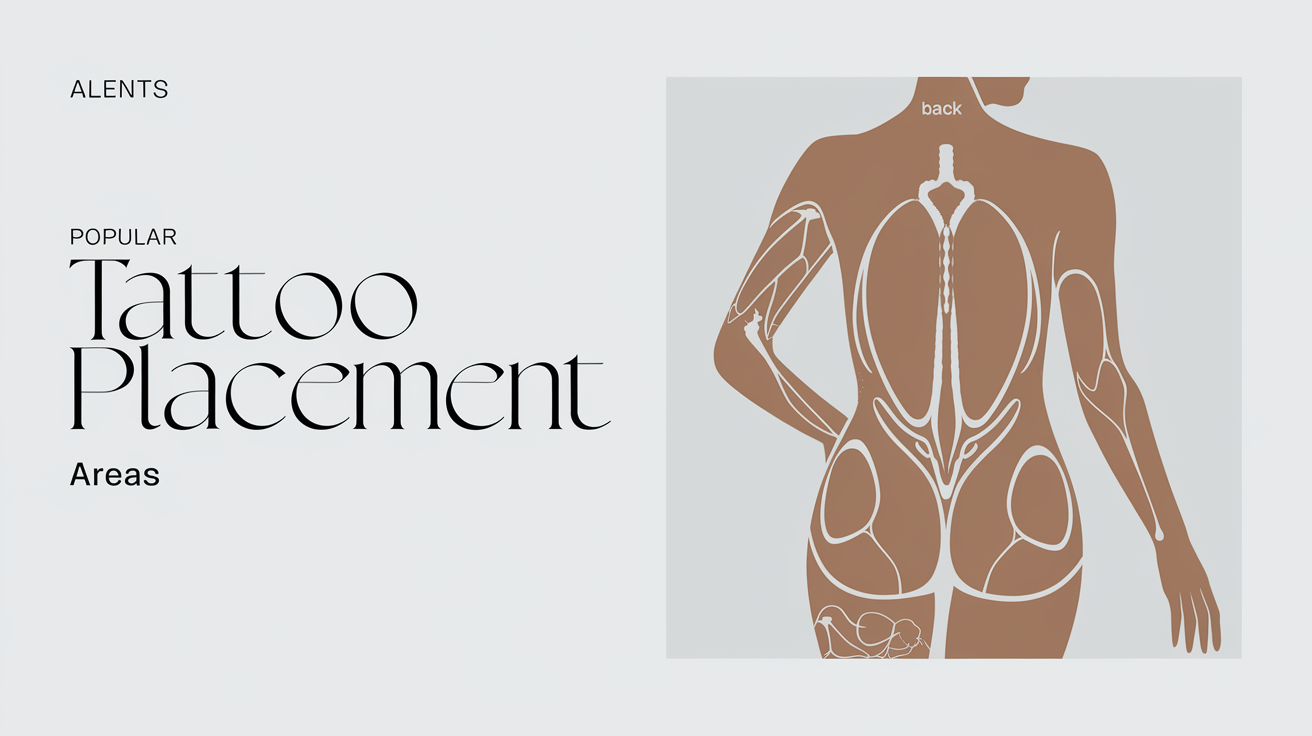
When getting ready for your tattoo, think about where it will be. For easy tattoo placements for beginners, pick a spot that’s easy for the artist to reach. Also, think about how much pain you can handle and if you want the tattoo to be seen.
Areas like ribs, feet, and hands hurt more because of their nerve density. Wear comfy clothes that let the artist get to the area easily to feel better. Drink water and sleep well before your tattoo. Also, skip alcohol and blood thinners to avoid bleeding.
Here are some tips to remember:
- Wear comfortable, loose clothing that allows easy access to the tattoo area
- Stay hydrated and get a good night’s sleep before your appointment
- Avoid alcohol and blood thinners to minimise bleeding
By following these beginner tattoo placement tips, you’ll have a good experience. Talk to your artist about any worries or questions you have.
With the right prep and attitude, your tattoo experience will be great. Choose an easy tattoo placement for beginners and follow these tips. You’ll get a tattoo that’s beautiful and meaningful for years.
Aftercare Tips for Different Placement Areas
Aftercare is key when you get your first tattoo. It helps your tattoo heal right and look great. Bigger tattoos can take 3 months to heal, while smaller ones might heal in 2 to 3 weeks.
For newbies, keep your tattoo clean and out of the sun for 2 to 4 weeks. Use a thin layer of moisturiser 2 to 3 times a day to keep it moist. Also, wait 48 hours before doing light activities and avoid hard exercises for 4 to 6 weeks.
Here are some aftercare tips to remember:
- Wash the tattoo gently twice a day for the first 2 weeks
- Avoid swimming for the first 2 to 3 weeks
- Use fragrance-free, hypoallergenic soap to clean the tattoo
- Apply sunscreen or protective clothing to prevent fading
Proper aftercare is vital for your tattoo’s health and look. By following these tips, your tattoo will heal well and look amazing. Remember, healing can take up to 6 months. Watch out for signs of bad healing, like fever, persistent redness, and swollen skin.
Ready for Your First Tattoo? Don’t Rush the Design.

Choosing the right placement is just step one — choosing the perfect design is what makes your tattoo unforgettable.
👉 Explore Miami Ink Tattoo Designs and get instant access to the world’s largest professional tattoo design library.
🔥 What You Get Instantly:
- ✅ 30,000+ professional tattoo designs from artists worldwide
- ✅ 60+ tattoo categories (minimal, tribal, floral, lettering & more)
- ✅ 165 exclusive tattoo fonts & lettering styles
- ✅ Tattoo videos & rare tattoo guides for beginners
- ✅ 24/7 access on any device — browse anytime, anywhere
- ✅ Save & pin favourite designs before visiting your tattoo artist
🚀 Perfect for First-Timers
Avoid tattoo regret. Walk into the studio 100% confident with a design you truly love.
👉 Click Here to Get Instant Access to Miami Ink Tattoo Designs
Conclusion: Making Your Final Placement Decision
Starting your first tattoo journey? Choosing the right spot is key to a great experience. Think about pain levels, size, and what you like. This helps you pick a spot that fits your goals and comfort.
Some spots, like the ribs and feet, hurt more because of thin skin and bones. Hands and feet are also very sensitive, making them more painful. But areas with more muscle, like the upper arm and thigh, might be less painful.
Size matters too. Many first-timers prefer smaller tattoos, with 60-70% choosing them. But big tattoos are getting more popular, thanks to body art contests.
So, the best tattoo placement for first-timers is one that matches your style, pain tolerance, and tattoo size and design. Talking to skilled tattoo artists can help you make a choice that’s both positive and meaningful.
FAQ
What are the best tattoo placements for first-timers?
Experts say the best spots for first-timers are areas with thicker skin and fewer nerves. Think outer bicep, forearm, calf, and upper back. These spots are less painful, making them great for beginners.
How does tattoo placement affect the level of pain?
Tattoo placement really matters when it comes to pain. Thicker skin and fewer nerves, like in the outer bicep or forearm, are less painful. On the other hand, thinner skin and more nerves, like the ribcage or feet, are more painful.
What are the least painful spots for a first tattoo?
The least painful spots for a first tattoo are the outer bicep, forearm, calf, and upper back. These areas have thicker skin and fewer nerves, making them perfect for newbies.
What areas should first-timers avoid for their tattoo?
First-timers should avoid the ribcage, feet, and hands. These spots are more painful and can get infected, making them not ideal for beginners.
How do I choose the right size tattoo for my body part?
Tattoo size depends on the body part and what you like. Small tattoos work well on the wrist or ankle. Medium to large tattoos are better for bigger areas like the back or legs.
How do different tattoo placements age over time?
Tattoos in sun-exposed areas, like hands or feet, may fade faster. Those in less sun-exposed areas, like the back or legs, last longer. Skin type and lifestyle also play a role in tattoo ageing.
What are some workplace-friendly tattoo locations?
For work, choose spots that are easy to cover, like the back, legs, or arms. These spots are discreet and flexible with your clothes.
How should I prepare for my tattoo session based on the placement?
Prepare by thinking about the placement, what to wear, and your comfort level. For a back tattoo, wear comfy clothes and be ready for the session.
What are the aftercare tips for different tattoo placement areas?
Aftercare is key for healing and keeping your tattoo looking good. Each area might need special care, like keeping it clean, avoiding the sun, and using gentle products.